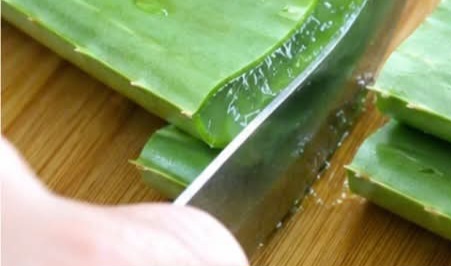
The moisture lock your skin keeps losingThe Hydration Clamp is what matters here. Aloe vera gel acts like a wet shield that traps water before it evaporates, while the plant compounds push back against the hot, irritated feeling that makes skin look older than it is.Think of cracked desert soil after rain. The water doesn’t just disappear if the ground is sealed properly; it sinks in and stays long enough to change the texture of the earth. That is what aloe does to thirsty skin when it’s applied the right way.But here’s the part nobody loves talking about: when the barrier is weak, moisture doesn’t stay put. It leaks, flashes off, and leaves behind that tight, itchy, shriveled feeling that makes your face, neck, arms, and hands look like they’ve been windburned from the inside out.After a few days of consistency, the change shows up in the mirror first. The skin stops looking thirsty and starts looking loaded, as if someone turned the internal tap back on. And that’s before you even get to the deeper inflammation story…Not because the skin is “bad” — because it’s been left unsealed.Why swollen joints and angry tissue feel the shiftWhen joints feel stiff and puffy, you’re not dealing with “old age.” You’re dealing with irritated tissue that’s been running hot for too long. Aloe’s fire-smothering compounds help cool that internal burn, so the area stops feeling like it’s grinding every time you move.Picture a door hinge packed with grit. Every swing squeals, catches, and fights back. Now coat that hinge with a clean lubricant and the whole motion changes — less drag, less resistance, less of that ugly morning stiffness that greets you before your feet even hit the floor.That’s why people who rub aloe-based mixtures into wrists, knees, or hands keep describing the same thing: the area feels less hostile. The skin isn’t just softening; the tissue underneath stops acting like it’s under attack.And yes, that is exactly why the old-school kitchen recipes keep showing up in home remedies. Not because they’re fancy. Because they’re cheap, visible, and hard to ignore when the skin and joints finally stop fighting back. But the third place people feel the difference is even more surprising…The vein-and-leg problem hiding in plain sightHeavy legs, ropey veins, and that tired, pressured feeling in the lower body are what make people desperate for something that works on contact. Aloe mixed into a topical blend doesn’t just sit there looking green; it helps create a hot river of fresh blood moving through dormant tissue, which is why massage matters so much.It’s like trying to move sludge through a narrow pipe. Without help, everything backs up and the pressure lingers. With the right topical ritual, the tissue gets a signal to loosen, the skin feels less stretched, and the whole area starts behaving like it can breathe again.That’s also why the old instructions keep pairing aloe with massage, wrapping, and overnight use. Not because the wrap is magic. Because pressure plus heat plus contact forces the product to stay where the problem lives.And here’s the underdog truth: Wall Street doesn’t build empires around a plant you can cut from a windowsill. No glossy ad campaign, no giant patent, no $89 jar with a gold lid. That doesn’t make it weak. It makes it inconvenient for the people who profit when you keep buying the wrong thing.What happens next depends on whether you use the plant the way the body actually responds to it…The skin reset people miss because they rush the prepThe first thing people notice is not some dramatic overnight miracle. It’s the texture shift: less chalky, less tight, less angry to the touch. The gel stops behaving like a cosmetic and starts acting like a bio-rinse for irritated tissue.Then the surface pattern changes. The flaky look around the hands, the dullness on the neck, the roughness along the arms — it all starts to soften because the skin barrier is no longer being dragged through the day like dry leather.But there’s a catch, and it matters more than most people realize: if the aloe is prepared wrong, the yellow latex, rough peel, or sloppy storage can turn a helpful plant into a sticky mess that wastes the whole effect. That’s why the old methods insist on rinsing, separating, and storing it properly.Use it carelessly and you get the smell of cut green skin sitting in a bowl, turning bitter and dull. Use it correctly and you get that clean, cool, slippery glide that tells you the tissue is finally being fed what it’s been begging for.So the real question is not whether aloe works. It’s whether you’re using the part of the plant that actually reaches the problem…P.S. The one thing that ruins the whole processIf the aloe is left with too much of the yellow sap, the whole mix turns harsh fast. That bitter edge is the warning sign — the kind that stains your fingers and clings to the bowl even after rinsing. People rush the prep, skip the wash, and then wonder why the skin reacts instead of relaxing.And if you store it warm, the gel turns from clean and fresh to tired and off, like a cut leaf left in the sun too long. That’s the difference between a useful topical and a useless green smear.Next comes the part almost everyone gets wrong: the exact pairing that decides whether aloe stays a surface treatment or becomes something your skin and joints actually respond to.This article is for informational purposes only and does not replace professional medical advice. Please consult your healthcare provider for personalized guidance.
Aloe Vera + the Skin-Deep Flush That Hits Joints, Veins, and Dry, Cracked Tissue