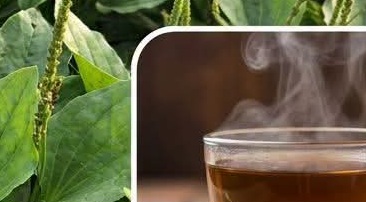
Most people think this plant is just a weed.It grows beside sidewalks, appears in empty fields, and spreads through gardens so aggressively that many homeowners try to remove it immediately.But for generations, plantain leaf (Plantago major and Plantago lanceolata) was one of the most commonly used folk remedies for irritated skin, swelling, bug bites, chest discomfort, rough coughs, and homemade healing salves.Now it’s trending again.Plantain leaf benefits have become popular again as more people search for traditional herbal remedies for swelling, skin irritation, cough support, and natural wellness. This wild medicinal plant has been used for generations in teas, salves, foot soaks, and homemade herbal recipes.Searches for:“plantain leaf remedy”“plantain leaf salve”“plantain tea benefits”“natural anti inflammatory herbs”“wild medicinal plants”have increased as more people look for low-cost herbal alternatives and traditional wellness practices.And unlike many viral “miracle herbs,” plantain actually has a long history of documented traditional use.That doesn’t mean it cures disease.But it does explain why people continue using it centuries later.Why Plantain Leaf Became a Traditional RemedyPlantain leaf has been used in folk medicine across Europe, Asia, and North America for generations.Traditional uses usually focused on:swollen skinirritated tissuebug bitesrough throatsherbal poulticesminor cutschest discomfortseasonal coughsPart of the reason is the plant naturally contains:mucilage compoundstanninsflavonoidsantioxidant plant compoundsHerbalists traditionally described plantain as:coolingsoothingdrawingcalmingskin-supportiveModern interest mostly comes from how versatile the plant is.The same leaf can be:brewed into teainfused into oilturned into salveused in compressesadded to herbal steam blendsmixed into foot soaksThat flexibility makes it perfect for high-engagement wellness content and traditional remedy blogs.Plantain Weed: Health Benefits, Side Effects, and UsesThe Most Popular Plantain Leaf Remedies People Still Use TodayTable of Contents1. Plantain Leaf Tea for Throat and Chest ComfortIngredientsInstructionsWhy People Drink ItTraditional Plantain Salve RecipeIngredientsInstructionsTraditionally Used ForPlantain Herbal Foot SoakIngredientsInstructionsWhy People Use ItHerbal Chest Comfort TeaIngredientsWhy This Blend Became Popular1. Plantain Leaf Tea for Throat and Chest ComfortThis is probably the most common modern use.Ingredients1 tablespoon dried plantain leaf1½ cups hot wateroptional honeyoptional gingeroptional thymeInstructionsAdd dried leaves to hot water.Cover and steep 10–15 minutes.Strain before drinking.Why People Drink ItUsually for:rough throat comfortseasonal wellnessdry cough supportherbal relaxation routinesMany people combine it with:mulleingingerlicorice rootthymeraw honeybecause these herbs are heavily associated with respiratory wellness traditions.This type of “lung comfort tea” content performs extremely well because readers are emotionally connected to breathing, coughing, and chest discomfort topics.The Homemade Plantain Salve That Keeps Going ViralOne reason plantain content performs so well online is because the before/after visuals are strong.People love:healing balm recipesDIY skin remedieshomemade salvesnatural skincare oilsPlantain fits perfectly into that category.Traditional Plantain Salve RecipeIngredientsdried plantain leavesolive oilbeeswaxoptional calendulaoptional lavender oilInstructionsFill a jar with dried leaves.Cover completely with olive oil.Let infuse 1–2 weeks.Strain the oil.Melt with beeswax.Pour into small containers.Traditionally Used Fordry skincracked heelsrough patchesbug bitesoutdoor skin irritationThis remedy remains popular because it feels practical, inexpensive, and easy to make at home.The “Drawing Poultice” Folk MethodThis is one of the oldest traditional uses.Fresh plantain leaves were often:crushedchewed lightlymashedor ground into pastethen applied directly onto irritated skin.People historically used this method for:bug bitesbee stingsmild swellingitchy skinoutdoor scratchesThat “fresh leaf directly on skin” concept is one reason survivalist and foraging communities still discuss plantain heavily today.Plantain Foot Soak for Swollen or Tired FeetThis topic gets surprisingly high engagement because readers immediately imagine relief.Plantain Herbal Foot SoakIngredientsfresh plantain leaveswarm waterEpsom saltpeppermint oil (optional)InstructionsCrush the leaves slightly.Add to warm water.Mix with Epsom salt.Soak feet 15–20 minutes.Why People Use ItUsually for:tired feettemporary swellinglong walking daysrelaxation routinesThis style of content performs especially well in:wellness blogsFacebook remedy pagesanti-inflammatory lifestyle contenthome spa nichesEpsom Salt for Feet: Benefits, Uses & Tips for Softer SkinWhy “Lung Support Herbs” Became So Popular AgainOne major reason plantain leaf is trending again is because respiratory wellness content exploded over the past few years.People became heavily interested in:mucus-clearing herbsbreathing supportchest comfort teassmoker lung discussionssteam remediesherbal syrupsThat created renewed interest in herbs like:mulleinthymeeucalyptuspineoreganoelderberryplantain leafThis same curiosity-driven wellness framing appears in your uploaded herbal blog examples about garlic skins, pine cone syrup, and pistachio shell remedies.Traditional Herbal Blend People Commonly Combine With PlantainHerbal Chest Comfort TeaIngredientsplantain leafmullein leafthymegingerraw honeyWhy This Blend Became PopularBecause each ingredient already has:strong search traffictraditional respiratory associationshigh curiosity valuestrong ad CTR potentialReaders naturally click topics involving:lung cleansingchest supportherbal cough reliefanti-inflammatory drinksnatural mucus supportProduct Recommendations That Usually Perform WellIf you want stronger advertising clicks and affiliate-style engagement, these product categories consistently pair well with plantain content:organic dried plantain leafherbal lung support teamullein extractelderberry syruporegano oilherbal salve kitsmagnesium balmbeeswax healing creamherbal steam inhalersraw forest honeyanti-inflammatory herbal teaherbal detox blendsThese products work because readers are already searching for:comfortalternativeseasy remedieshome wellness solutions—not necessarily pharmaceutical treatments.What Science Actually SupportsThis is the important part most viral posts skip.There is some scientific interest in plant compounds found in plantain leaf, particularly regarding:antioxidantspolyphenolssoothing mucilage compoundsBut traditional use does not automatically equal proven medical treatment.Most evidence currently supports:historical herbal uselaboratory findingstraditional applications—not large clinical trials proving plantain cures serious disease.That distinction matters.Especially online, where herbal claims are often exaggerated far beyond the evidence.Important Safety NotesAvoid using wild plants unless correctly identified.Do not use leaves contaminated by:pesticidesroadside pollutionanimal wasteindustrial runoffStop use if irritation occurs.People who are:pregnantbreastfeedingallergic to herbstaking medicationsmanaging chronic illnessshould be cautious with herbal remedies.And if symptoms involve:breathing difficultysevere swellinginfectionfeverchest paina home remedy is not enough.Why People Keep Returning to This PlantPlantain leaf survives because it fits modern wellness culture perfectly.It is:cheapeasy to findvisually interestingdeeply traditionalflexible in recipeseasy to combine with trending herbsAnd psychologically, people love the idea that something ignored for years could still be useful.That combination of:forgotten remedynatural wellnesspractical recipesvisible preparationhistorical useis exactly why plantain leaf content keeps spreading online again and again.SourcesTraditional herbal-remedy structure, remedy framing, and science-balanced wellness writing adapted from uploaded Health Insights Blog examples on garlic skin remedies, pine cone syrup, and pistachio shell wellness traditions.
Plantain Leaf Benefits: Traditional Remedies for Swelling, Skin Irritation, Cough, and Natural Inflammation Support