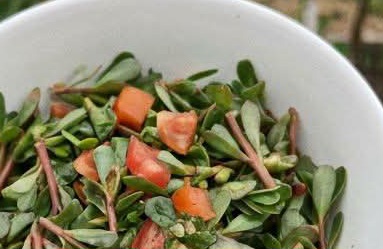
Most people walk right past this incredible superfood, mistaking it for a common weed. What if your very own yard held a hidden treasure, packed with nutrients and potential health benefits, just waiting to be discovered? Many of us are looking for natural ways to boost our health, add more greens to our diet, and perhaps even find an unexpected source of wellness. The surprising truth is, one of the most beneficial plants could be thriving just outside your door.Today, we’re diving into the world of purslane (Portulaca oleracea) – a succulent plant often overlooked, yet rich in a remarkable array of vitamins, minerals, and perhaps most notably, plant-based Omega-3 fatty acids. This quick-growing green gem isn’t just a garden intruder; it’s a versatile ingredient that can elevate your meals and your well-being. Let’s uncover how to identify, harvest, prepare, and enjoy this nutritional powerhouse.A four-panel collage showing purslane being harvested growing in soil a close-up of its leaves and a salad made with purFrom garden to table, purslane offers a fresh burst of nutrition.Table of ContentsWhat is Purslane?Quick Tip: Identifying PurslaneSimple Purslane Salad: Ingredients & RecipeIngredientsApproximate MeasurementsFormula / Recipe: Zesty Purslane SaladHow to Use & How Often to UseBest Time to Use ItHow to Buy / How to Choose IngredientsStoragePractical Tips for PurslaneSurprisingly…Common MistakesCautions / Who Should Avoid ItQuick SummaryFAQConclusionWhat is Purslane?Purslane is a low-growing, sprawling succulent distinguished by its thick, reddish stems and paddle-shaped, fleshy green leaves. It often appears in gardens, cracks in pavements, and disturbed soil, flourishing in sunny spots. Unlike many garden weeds, purslane is entirely edible and has been consumed for centuries across various cultures, from ancient Greece to modern-day Asia.What makes purslane truly stand out is its exceptional nutritional profile. It’s often called the ‘King of Omega-3s’ among leafy greens, containing more alpha-linolenic acid (ALA), a type of Omega-3 fatty acid, than any other commonly consumed vegetable. Beyond this, purslane is a good source of vitamins A, C, and E, as well as several B vitamins. It’s also packed with essential minerals like magnesium, calcium, potassium, and iron, alongside powerful antioxidants such as beta-carotene and glutathione, which contribute to its potential anti-inflammatory properties.Quick Tip: Identifying PurslaneLook for reddish, smooth, cylindrical stems and small, thick, fleshy, oval-shaped leaves that grow alternately along the stem. It often forms a mat-like ground cover. Be careful not to confuse it with ‘Spurge’, which has a similar growth habit but secretes a milky sap when its stems are broken – purslane does not.Simple Purslane Salad: Ingredients & RecipeOne of the easiest and most delicious ways to enjoy purslane is in a fresh salad, allowing its slightly tart, peppery, and lemony flavor to shine. This recipe is a fantastic starting point for beginners.Ingredients2 cups fresh purslane, thoroughly washed and patted dry1/2 cup cherry tomatoes, halved (or 1 small regular tomato, diced)1/4 red onion, thinly sliced (optional, for a sharper bite)2 tablespoons extra virgin olive oil1 tablespoon fresh lemon juice or apple cider vinegarSalt and freshly ground black pepper to tasteOptional additions: feta cheese, cucumber, bell peppers, or toasted nuts for extra textureApproximate MeasurementsThese measurements yield a generous single serving or a side dish for two. Feel free to adjust quantities based on your preference or the amount of purslane you’ve harvested.Formula / Recipe: Zesty Purslane SaladThis simple formula brings out the best in purslane with minimal effort.Prepare the Purslane: Gently wash the purslane under cool running water. Remove any tough stems, discolored leaves, or debris. Pat dry thoroughly with a clean kitchen towel or use a salad spinner. Chop into bite-sized pieces, about 1-2 inches long.Combine Vegetables: In a medium bowl, combine the chopped purslane, halved cherry tomatoes, and thinly sliced red onion (if using).Make the Dressing: In a small separate bowl, whisk together the olive oil, lemon juice (or apple cider vinegar), salt, and pepper until well combined.Dress and Serve: Pour the dressing over the purslane mixture. Toss gently to ensure all ingredients are evenly coated. Serve immediately and enjoy the refreshing, crisp flavors.Properly cleaning purslane is key to a delicious and safe meal.[IMAGE PLACEHOLDER: A close-up of fresh, washed purslane leaves and stems in a colander, ready for preparation.]How to Use & How Often to UsePurslane is incredibly versatile. While a fresh salad is a popular choice, its succulent texture holds up well in many other dishes. You can enjoy it daily or several times a week, just like any other leafy green.Salads: As described above, it’s excellent raw.Smoothies: Add a handful of fresh purslane to your morning green smoothie for an Omega-3 boost.Stir-fries: Toss it in at the very end of cooking to retain some crunch and nutrients.Soups & Stews: Incorporate it into your favorite recipes, adding it during the last few minutes of cooking.Sandwiches & Wraps: Use it as a crunchy, nutritious green instead of lettuce.Juices: Blend it with other fruits and vegetables for a nutrient-dense drink.Best Time to Use ItPurslane can be enjoyed at any time of day. It’s particularly refreshing as a light lunch or a side salad with dinner. Its unique flavor also pairs well with eggs, making it a great addition to breakfast scrambles or omelets.How to Buy / How to Choose IngredientsThe best way to get purslane is often to forage it yourself from clean, unsprayed areas, or grow it in your garden. If buying, look for it at farmers’ markets or specialty grocery stores. When selecting purslane, choose plants with vibrant green, fleshy leaves and firm, reddish stems. Avoid any bunches that look wilted, yellowed, or have soft, mushy spots.StorageFresh purslane is best used within a few days of harvesting. To store:Do not wash until ready to use.Wrap the unwashed purslane loosely in a damp paper towel.Place it in a plastic bag or an airtight container.Store in the refrigerator’s crisper drawer for up to 3-5 days.Proper storage ensures your purslane stays crisp and fresh for longer.[IMAGE PLACEHOLDER: A neatly organized refrigerator drawer with fresh purslane wrapped in a damp paper towel and stored in a clear container.]Practical Tips for PurslaneUse Case Recommendation NotesForaging Harvest from clean areas, away from roadsides or chemically treated lawns. Ensures you’re consuming safe, untainted plants.Flavor Pairing Pairs well with tangy dressings, garlic, onions, and salty cheeses like feta. Its slight tartness complements these flavors beautifully.Cooking Add towards the end of cooking or use raw to preserve nutrients and crunch. Overcooking can reduce its nutritional value and make it slimy.Preserving While best fresh, you can blanch and freeze it, or lightly pickle it. Freezing alters texture; pickling changes flavor.Surprisingly…The entire plant, including the stems and leaves, is edible. The thicker stems are particularly succulent and add a delightful crunch.Common MistakesMistaking for Spurge: As mentioned, Spurge is toxic. Always confirm identification before consuming.Not Washing Thoroughly: Wild-grown purslane can have dirt or small insects. A thorough wash is crucial.Overcooking: High heat for too long can make purslane slimy and diminish its nutritional content.Ignoring Tough Stems: While edible, older or very thick stems can be woody. Stick to tender parts.Using Sprayed Plants: Never forage from areas known to be treated with pesticides or herbicides.Cautions / Who Should Avoid ItWhile generally safe for most people, purslane does contain oxalates, which can interfere with calcium absorption and contribute to kidney stone formation in susceptible individuals. If you have a history of kidney stones or kidney disease, consume purslane in moderation or consult a healthcare professional. Pregnant women or those with specific health conditions should also consult their doctor before adding new herbal remedies to their diet, though typical salad portions are generally considered safe.Quick SummaryBest Preparation: Fresh in salads, smoothies, or lightly cooked in stir-fries.Best Use-Case: Boosting Omega-3s, vitamins, and minerals in your diet.Storage: Unwashed, wrapped in a damp paper towel in the fridge for 3-5 days.When to Use: Anytime you want a refreshing, nutritious green.What to Avoid: Foraging from contaminated areas, overcooking, mistaking it for toxic look-alikes.FAQCan I use fresh or dried purslane? Fresh is highly recommended for its texture and full nutrient profile. Dried purslane loses much of its unique succulence.How long does fresh purslane last? Up to 3-5 days in the refrigerator when stored properly.Can I refrigerate it? Yes, unwashed and wrapped in a damp paper towel in a sealed container.How often should I use it? You can incorporate it into your diet several times a week, similar to other leafy greens.What part of the plant is best to eat? The leaves and tender stems are most palatable and nutritious.Can I reuse the leaves? Once harvested, it’s best to consume fresh leaves within the recommended storage period.When should I avoid it? If you have kidney issues due to its oxalate content, or if you are unsure of its identification in the wild.Does cooking purslane reduce its benefits? Light cooking is fine, but prolonged high heat can diminish some heat-sensitive vitamins and antioxidants.
Unexpected Health Secret Hiding in Your Yard: The Power of Purslane