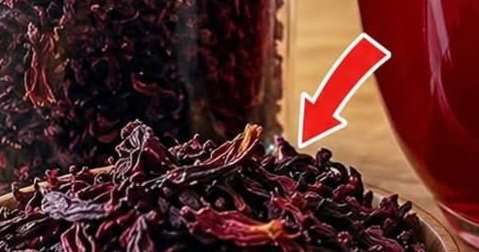
What Is Hibiscus Flower Tea?Hibiscus tea comes from the dried calyces (the outer parts) of the Hibiscus sabdariffa plant. Unlike true teas from the Camellia sinensis plant, it’s an herbal tisane that’s naturally caffeine-free, making it suitable for morning or evening enjoyment. The flowers produce a striking deep red color and a tart, cranberry-like flavor that many describe as refreshing and slightly fruity.Rich in natural compounds like anthocyanins, phenolic acids, and flavonoids, hibiscus has been studied for its antioxidant properties. These compounds help combat oxidative stress in the body, which is a common factor in many aspects of modern living.Why People Are Trying the 10-Day Hibiscus Tea ChallengeThe idea of drinking hibiscus tea consistently for 10 days appeals to those seeking gentle support for feeling their best. While individual results vary based on diet, lifestyle, and overall health, many report enjoying the ritual and noticing subtle shifts in how they feel.Here’s what some people commonly notice when adding it to their routine:A bright, tangy beverage that replaces sugary drinks easily.A refreshing way to increase daily fluid intake.A colorful addition that makes hydration more appealing.Studies have explored its potential effects on aspects of metabolic health, but it’s important to view it as part of a balanced approach rather than a standalone solution.Potential Wellness Benefits Backed by ResearchResearch on hibiscus tea has focused on several areas of interest for everyday wellness.Supporting Healthy Blood Pressure LevelsMultiple clinical studies suggest that regular consumption of hibiscus tea may help support healthy blood pressure already within normal ranges. Meta-analyses have shown modest reductions in systolic blood pressure in some participants, with effects sometimes comparable to certain lifestyle changes.The natural compounds in hibiscus appear to support vascular function and fluid balance, which contributes to this effect. One review noted benefits particularly noticeable in individuals with higher baseline readings, though more research continues.Antioxidant and Metabolic SupportHibiscus is packed with antioxidants that may help the body manage everyday oxidative stress. Some studies indicate potential support for healthy cholesterol and lipid profiles, including modest effects on LDL cholesterol.Additionally, research has explored its role in supporting healthy blood sugar regulation and even gentle weight management when combined with a balanced diet. These effects are often linked to its influence on digestion and metabolic processes.Hydration and Gentle Cleansing FeelAs a diuretic herb, hibiscus tea can encourage fluid elimination, which some people associate with a feeling of internal lightness or “cleansing.” This can be particularly helpful for those who struggle with water retention or simply want to boost their hydration with flavor. Studies mention nephroprotective properties in certain contexts, supporting overall kidney function indirectly through antioxidant activity.But that’s not all. The tart flavor often makes it easier to drink more water throughout the day, supporting overall detoxification pathways naturally managed by your liver and kidneys.How to Brew the Perfect Cup of Hibiscus Tea (Step-by-Step Guide)Ready to try it? Here’s a simple, actionable recipe you can start today.Basic Hot Hibiscus Tea (Serves 1):2–3 teaspoons dried hibiscus flowers (about 3–5 grams)8–10 oz (250 ml) boiling waterOptional: honey, stevia, fresh ginger, mint, or lemon for flavorInstructions:Place the dried flowers in a teapot or infuser.Pour boiling water over them.Steep for 5–7 minutes for a balanced tartness (longer for stronger flavor).Strain and enjoy hot, or let it cool for iced tea.Pro Tips for Daily Use:Make a big batch in the morning and store in the fridge for up to 2–3 days.For cold brew: Add flowers to cold water and refrigerate overnight.Start with 1–2 cups per day to see how your body responds.10-Day Sample Routine:Morning: One warm cup after waking.Midday: Iced version with lemon for refreshment.Evening: Caffeine-free cup to wind down (avoid too close to bedtime if sensitive).Comparing Hibiscus Tea to Other Popular BeveragesBeverage Key Advantage Flavor Profile Caffeine Best ForHibiscus Tea High antioxidants, tart Cranberry-like None Hydration & wellnessGreen Tea Catechins Grassy, mild Moderate FocusBlack Tea Bold taste Malty High EnergyLemon Water Simple vitamin C Fresh None Basic detox feelHibiscus stands out for its vibrant color and unique taste that many find more enjoyable than plain water.Safety Considerations and Who Should Be CautiousWhile generally well-tolerated, hibiscus tea may cause mild side effects like stomach upset in some people, especially at high doses. It can interact with certain medications, including blood pressure drugs, diabetes medications, and others—consult your healthcare provider before starting a regular routine, particularly if you have existing conditions, are pregnant, breastfeeding, or on medication.Limit intake if you have low blood pressure, as it may enhance effects. Always source high-quality, food-grade dried flowers.Real Talk: What to Expect After 10 DaysMany who try consistent use report feeling more hydrated, enjoying the ritual, and appreciating the flavor variety it adds to their day. Some notice subtle improvements in energy or digestion, but results are highly individual. Think of it as a supportive habit rather than a quick fix—pair it with whole foods, movement, and good sleep for best outcomes.The tangy taste and beautiful color make it a pleasure to prepare, turning a simple hydration goal into something enjoyable.FAQHow much hibiscus tea should I drink daily? Most studies use 1–3 cups per day. Start low and listen to your body.Can I sweeten it? Yes—natural options like honey or stevia work well without overpowering the tartness.Is it safe long-term? For most healthy adults, moderate daily use appears well-tolerated, but periodic breaks and medical advice are wise for ongoing use.Does it stain teeth? The deep color can potentially stain over time; rinsing your mouth with water after drinking helps.Final ThoughtsIncorporating hibiscus flower tea into your daily routine for 10 days (or longer) offers a simple, flavorful way to explore natural wellness support. Its vibrant hue, pleasant tartness, and researched properties make it a standout choice for those seeking everyday rituals that nourish body and mind.Whether you’re looking to switch up your beverage habits, boost antioxidants, or simply enjoy something refreshing, this ancient flower might become your new favorite. Start small, stay consistent, and observe how it fits into your lifestyle.Disclaimer: This article is for informational purposes only and does not constitute medical advice. Results vary. Consult a qualified healthcare professional before making significant changes to your diet or starting any new herbal regimen, especially if you have health conditions or take medications.
Have You Tried Drinking Hibiscus Flower Tea for 10 Days?