
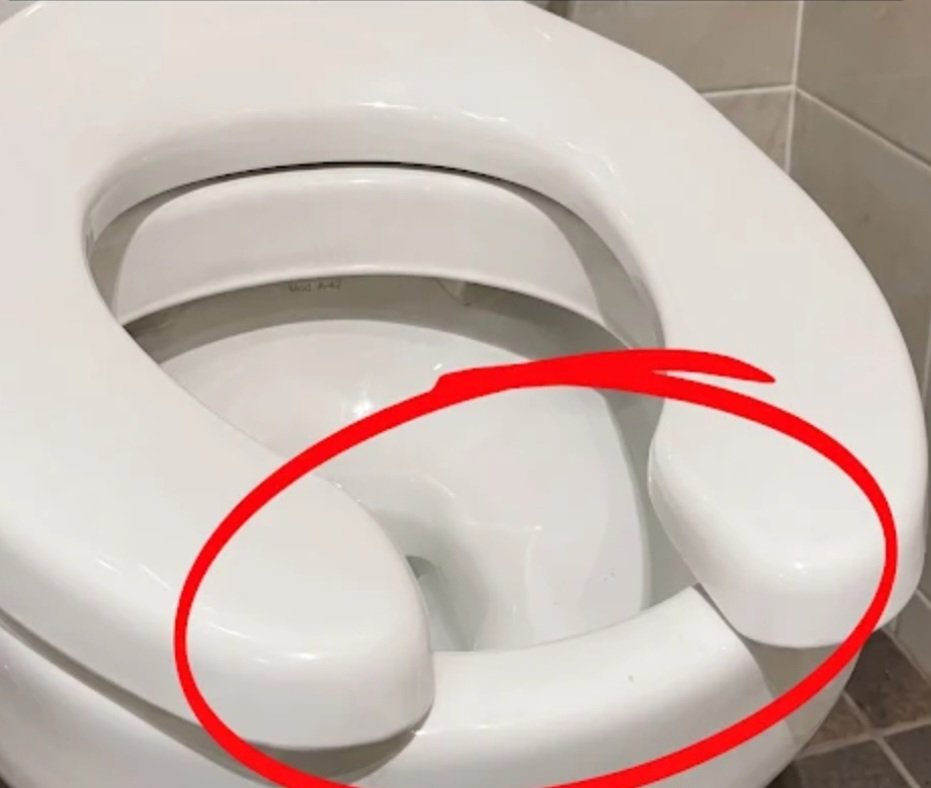
Understanding U-Shaped Toilets in Public Restrooms
Have you ever been in a public restroom and noticed the distinctive U-shaped toilets? While they might seem unusual compared to traditional shapes, they serve important purposes both from a functional and hygienic perspective. In this article, we will explore why public restrooms commonly feature U-shaped toilets, their design benefits, and their impact on cleanliness and accessibility.
The Design and Functionality of U-Shaped Toilets
What are U-Shaped Toilets?
U-shaped toilets, frequently referred to as open-front toilets, are designed with a wide opening at the front, creating a U-like shape. This design differs from standard closed-front toilets, which have a solid front. The U-shape allows for easier access, facilitating a more inclusive experience for users of different ages and abilities.
Why Are U-Shaped Toilets Commonly Used in Public Restrooms?
There are several reasons why public restrooms opt for U-shaped toilets. Some of the primary factors include:
- Enhanced Hygiene: The open design of U-shaped toilets minimizes contact with the seat, which can help reduce the spread of germs and bacteria in public spaces.
- Improved Accessibility: The U-shape allows for easier access, particularly for individuals who may require assistance or have mobility challenges.
- Convenient Design for Children: U-shaped toilets accommodate children better, providing them with easier access as they learn to use the restroom independently.
- Faster Use in Busy Settings: The design facilitates quicker entry and exit, which is advantageous in high-traffic public facilities where long lines can be an issue.
Hygienic Benefits of U-Shaped Toilets
Minimizing Germ Transfer
One of the most critical benefits of U-shaped toilets is their contribution to hygiene. With fewer surfaces to come into contact with, users can limit germ transfer. Public restrooms can be breeding grounds for bacteria, and minimizing direct contact can significantly enhance user safety.
Easy Cleaning and Maintenance
The open design of U-shaped toilets also makes them easier to clean. Maintenance staff can access all areas of the toilet without difficulty, which helps ensure thorough sanitation. This ease of cleaning is essential in environments where quick turnaround times are necessary, further contributing to overall cleanliness and user comfort.
The Accessibility Factor of U-Shaped Toilets
Accommodating Diverse User Needs
Public restrooms must cater to a wide range of users, including those with disabilities. U-shaped toilets offer several advantages in terms of accessibility:
- Space for Assistance: The shape allows caretakers or assistance personnel to access the user more easily, providing help where needed without navigating around a solid barrier.
- Less Physical Restriction: The absence of a front wall allows individuals using mobility aids, like wheelchairs, to position themselves closer to the toilet, enhancing usability.
Family-Friendly Design
Families often visit public restrooms together; thus, U-shaped toilets are a practical design choice. Parents can easily supervise younger children and assist them in using the toilet. This flexibility is crucial in places like shopping malls, parks, and restaurants, where families frequently seek convenient restroom options.
U-Shaped Toilets vs. Traditional Toilets: A Comparative Analysis
Cost of Installation and Maintenance
When considering a restroom renovation, the choice between U-shaped and traditional toilets may come down to cost-effectiveness. U-shaped toilets tend to be similarly priced to traditional toilets, but they often save on maintenance costs due to easier cleaning requirements. This factor can contribute to long-term savings in public facilities.
User Experience and Comfort
From the user experience perspective, U-shaped toilets can enhance comfort levels, especially for those who may require additional space or support. Being more open allows users to feel less confined, which can be particularly beneficial for individuals experiencing restroom anxiety or discomfort.
Environmental Considerations
Water Efficiency in U-Shaped Toilet Designs
Modern U-shaped toilets often incorporate water-saving designs, utilizing fewer gallons per flush while maximizing waste removal. This feature aligns with global efforts to conserve water, making them a more environmentally friendly choice for public restrooms.
Materials and Sustainability
Many U-shaped toilets are now made from sustainable materials that are easier to recycle and dispose of at the end of their lifecycle. This approach reduces the environmental impact associated with traditional toilet materials, further promoting sustainability in public operations.
Conclusion: The Practicality of U-Shaped Toilets in Public Restrooms
U-shaped toilets are not merely a design quirk but a thoughtful solution to meet the demands of public restroom users. Their advantages extend from improved hygiene to enhanced accessibility and user comfort. By understanding the benefits and functionality of U-shaped toilets, we can appreciate their role in maintaining clean, accessible, and efficient public facilities.
As we move forward, it’s essential to recognize the evolving needs of restroom design and how U-shaped toilets can play a pivotal part in creating a better experience for all users, regardless of their physical abilities or age. Whether you’re a facility manager or an everyday restroom user, the U-shaped toilet design is a testament to practical and thoughtful restroom solutions.