
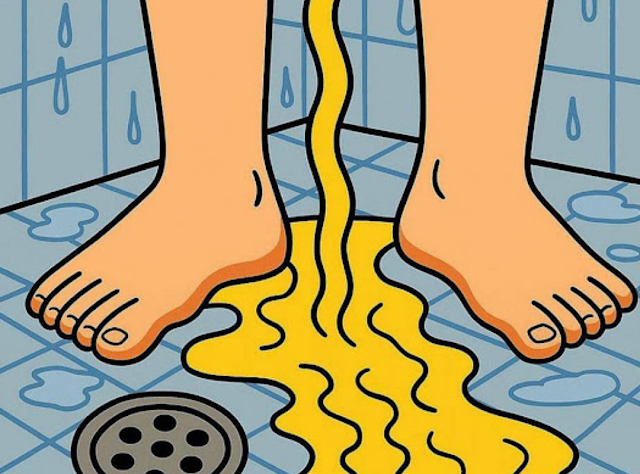
Peeing in the Shower: Surprising Benefits and Risks You Didn’t Know About
Have you ever thought about peeing in the shower? While it may seem like a taboo subject, this action has sparked numerous discussions about its benefits and potential risks. In recent years, people have started to embrace the idea, not only for its convenience but also for perceived environmental benefits. However, along with these advantages come certain drawbacks that everyone should be aware of. In this article, we will explore the benefits of peeing in the shower, the risks associated with it, and the science behind this unconventional habit.
The Environmental Perspective on Peeing in the Shower
One of the most significant arguments in favor of peeing in the shower is its potential to conserve water. Approximately 27% of household water usage comes from flushing toilets. By urinating in the shower instead, you may be limiting the number of toilet flushes per day.
Water Conservation
Flushing a toilet uses anywhere from 1.6 to 4 gallons of water per flush, depending on the model. In contrast, peeing in the shower negates the need for multiple toilet flushes, especially in households with several members. Each time you skip a flush for the sake of a quick shower pee, you contribute to a larger savings on water bills and reduce your personal environmental footprint.
Eco-friendly Practices
By opting to pee in the shower, you are making a small but significant change toward a more sustainable lifestyle. This practice aligns with other eco-friendly habits, like taking shorter showers and being mindful of water use. While one person peeing in the shower won’t save the planet, collectively, these small changes can lead to a substantial impact on water conservation efforts.
Health Benefits of Peeing in the Shower
Aside from financial and environmental benefits, there are also some health-related advantages associated with urinating in the shower that might surprise you.
Potential Skin Benefits
Urine is primarily composed of water, but it also contains urea, which is known to be beneficial for skin health. Urea acts as a natural moisturizer, and some skincare products even isolate this compound for use in their formulations. Although scientific consensus on the effective application of urine directly to the skin is limited, the idea of using urine as a natural skincare treatment has been around for centuries.
Convenience and Comfort
From a practical standpoint, peeing in the shower can be a more convenient and comfortable option for many individuals, particularly during early morning routines or late-night showers. It allows you to save time and avoid the uncomfortable feeling of needing to go just as the water is warming up. For those with busy lifestyles or limited mobility, this practice may also alleviate the need to navigate to the toilet every time nature calls.
The Risks of Peeing in the Shower
<pwhile there="" are="" myriad="" benefits="" to="" peeing="" in="" the="" shower,="" it="" is="" essential="" balance="" these="" positives="" against="" potential="" risks="" and="" misconceptions="" surrounding="" act.
Hygiene and Health Concerns
One common concern surrounding this practice is hygiene. While urine is typically sterile when it leaves the body, if bacteria are present on the skin or if there are existing urinary tract infections (UTIs), the situation can change. The warm, wet environment of a shower can provide an ideal breeding ground for various bacteria, raising questions about whether this practice could inadvertently exacerbate such issues. Always maintain proper hygiene, wash your body thoroughly, and limit contact with sensitive skin areas after urinating in the shower.
The Social Stigma
Peeing in the shower can be seen as socially unacceptable or disgusting in many cultures. Despite its practical benefits, the mere mention of the practice can evoke strong reactions. Individuals might feel embarrassed or judged for engaging in such behavior. Understanding the cultural taboos surrounding urination can help normalize discussions about it, making others more informed rather than content with stigmas.
Practical Tips for Peeing in the Shower
If you’re interested in incorporating peeing in the shower into your routine, consider these practical tips to ensure safety and hygiene while reaping the benefits of this unconventional habit.
Choose the Right Time
Timing is essential. We all have different shower schedules, but try to pee in the shower when the water is already running. This not only aids in flushing the urine down the drain but also minimizes any odors that might arise.
Maintain Shower Hygiene
Keep your shower space clean. Regularly scrub the shower floor and walls to prevent the buildup of mold and bacteria. Consider using a disinfectant that can effectively eliminate germs without harmful chemicals if you choose to practice urination in your shower.
Be Mindful of Your Surroundings
If you live with housemates or family, make sure it’s acceptable with them before making this a habit. Communication is crucial in shared living environments. Always respect others’ comfort levels, as this habit may not be welcomed universally.
Conclusion: The Case for Peeing in the Shower
While the idea of peeing in the shower may raise eyebrows, it does come with numerous environmental, health, and practical benefits that merit consideration. Saving water, improving skin health, and enjoying greater convenience are all compelling reasons to adopt this behavior. However, it’s equally important to be aware of the associated risks regarding hygiene and social perception.
Ultimately, whether you choose to embrace this habit or not, understanding the benefits and risks can empower you to make informed decisions. After all, every small change toward a more sustainable lifestyle counts, no matter where you choose to take it.