
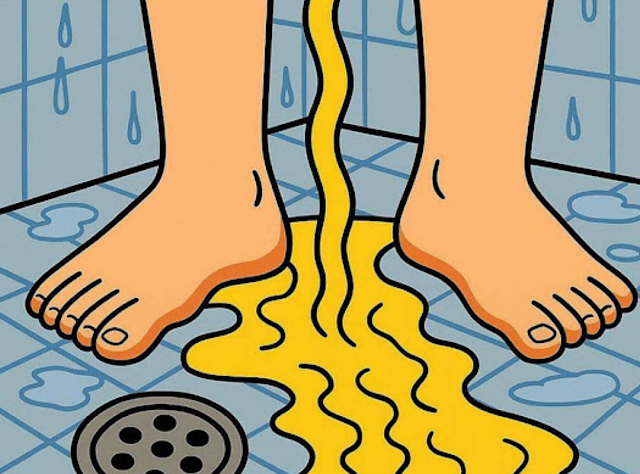
Peeing in the Shower: Surprising Benefits and Risks You Didn’t Know About
The act of peeing in the shower might be a taboo subject, but it’s more common than you might think. Surprisingly, there are several benefits to this behavior, alongside some potential risks that deserve consideration. In this comprehensive guide, we’ll explore the unexpected advantages of shower urination, the health implications, and the social perspectives surrounding this practice. By the end, you’ll be well-informed about whether this habit is right for you.
The Benefits of Peeing in the Shower
While many people may be embarrassed to admit it, urinating in the shower can actually have several benefits. Let’s take a closer look at some of these advantages.
1. Saves Water
One of the most significant benefits of peeing in the shower is the conservation of water. According to the Environmental Protection Agency, the average toilet flush uses approximately 1.6 gallons of water. By urinating in the shower, you can cut down on the number of times you flush the toilet, thereby reducing water consumption.
2. Fosters a Relaxed Mindset
For some, the shower is a place of relaxation and tranquility. The warm water can help ease stress and promote a sense of calm. By urinating while you shower, you embrace a more natural, carefree experience that many enjoy during their daily routines. This sense of liberation might boost your mood and reduce anxiety.
3. Increases Efficiency
Morning routines can often feel rushed. Combining showering with urination allows you to save time and streamline your hygiene practices. This practice can make your mornings a bit smoother, letting you start the day feeling more organized.
The Health Perspective
Beyond the practical benefits, there are health aspects to consider when it comes to peeing in the shower. Let’s explore some of the health-related elements surrounding this issue.
1. Urine Composition and Its Effects
Urine is primarily made up of water (about 95%), along with waste by-products and small amounts of nutrients. Interestingly, some individuals argue that this waste frequently does not pose a significant health risk, especially when rinsed away almost instantly by shower water. Although urine is generally sterile when produced, several factors can affect its composition, including diet and hydration levels.
2. Skin Benefits
Some proponents claim that urine can have benefits for the skin. Urine contains urea, a compound known to moisturize and heal. While there’s insufficient scientific evidence to affirm that shower urination directly leads to skin health, a clean shower environment may help eliminate bacteria that could lead to skin issues.
3. Risks of Peeing in the Shower
While there are many benefits, it is also necessary to acknowledge the potential risks associated with this practice.
1. Hygiene Concerns
Although urine is considered sterile, the shower itself can harbor bacteria. This potentially increases the risk of skin infections or irritations for some individuals, particularly if there are existing open cuts or abrasions. Proper cleanliness and regular sanitation practices of the shower are vital.
2. Mental and Social Implications
Strong social norms often dictate what is considered acceptable behavior. Some individuals may feel uncomfortable with the idea of peeing in the shower, associating it with poor hygiene or deviance. Peer pressure and societal expectations can lead to discomfort, impacting people’s decisions to engage in this practice.
Alternatives to Shower Urination
If you’re uncertain about peeing in the shower, several alternatives exist to help you maintain cleanliness and comfort.
1. Quick Bathroom Trips
The most straightforward alternative is to use the toilet before you shower. Taking a few extra moments to ensure you’re comfortable can make your shower experience far more enjoyable.
2. Mindfulness Practices
Incorporating mindfulness techniques can enhance your shower experience and help you relax. You can practice breathing exercises or focus on sensations during your shower to foster a sense of well-being without the need to urinate.
Social Taboo: Breaking the Stigma
It’s essential to consider how cultural perceptions influence the idea of peeing in the shower. Many view this practice as socially unacceptable or even gross. However, many individuals indulge in it without guilt. Here’s how to break the stigma surrounding peeing in the shower.
1. Open Discussions
Encouraging open conversations about bathroom habits can help demystify the practice. By sharing personal experiences, people can lessen the embarrassment surrounding this topic, normalizing it merely as a human behavior.
2. Input From Experts
Health professionals can offer valuable insights regarding hygiene practices, further legitimizing the discussion of such behaviors. Consulting health experts may provide reassurance and dispel myths regarding health risks.
Conclusion: Should You Pee in the Shower?
In summary, peeing in the shower offers various benefits, including water conservation and time efficiency, while also presenting some risks primarily rooted in hygiene and societal norms. Whether or not to engage in this practice depends on personal comfort levels and environmental habits. Open discussions about the topic can help free individuals from stigma, encouraging thoughtful choices in their shower routines.
As with any habit, the key is a balanced approach. If peeing in the shower works for your lifestyle and brings you joy, then embrace it! However, if you prefer to step out for a bathroom break, that’s perfectly okay too. Ultimately, personal preference and comfort should guide your decision.
Further Considerations
Before implementing this habit, consider factors like your shower routine, personal hygiene practices, and whether it aligns with your values. Each person’s situation and preferences are unique, and it’s essential to make choices that feel right for you.
Remember, the goal is to enhance your overall well-being, whether that includes peeing in the shower or opting for a different approach!