
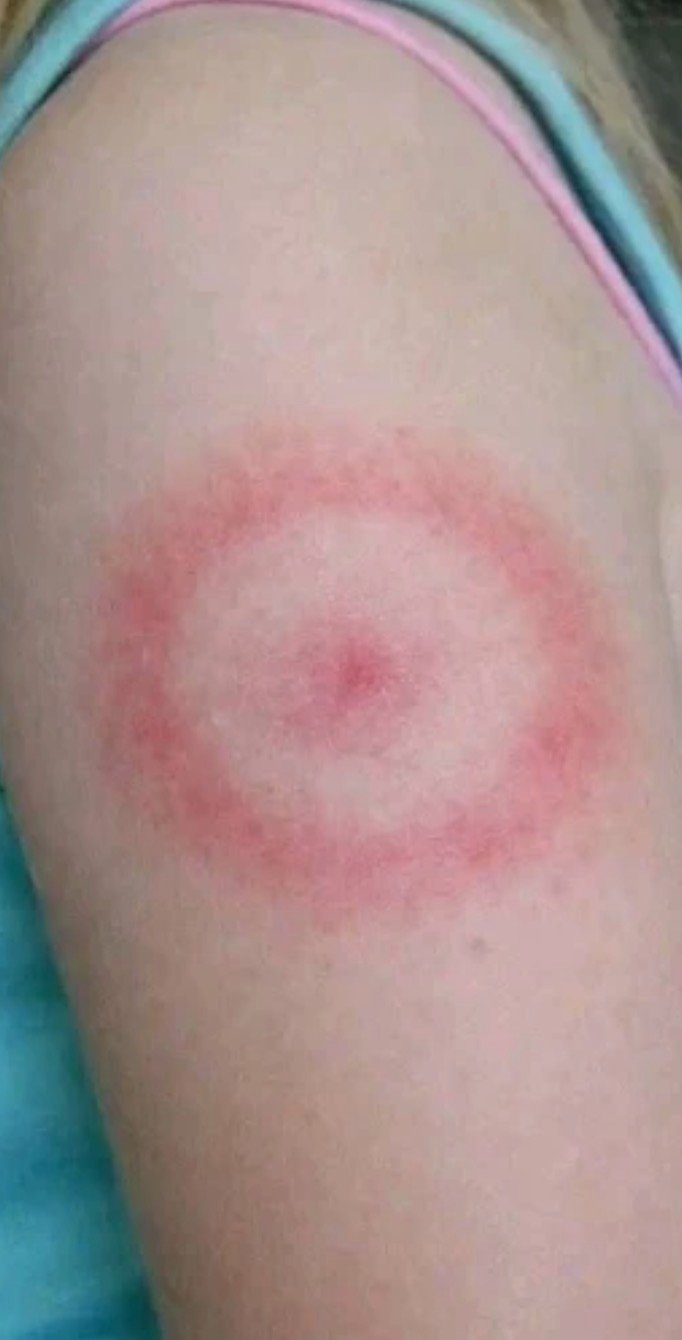
Understanding Red Rings on the Skin: What to Know When Your Child Wakes Up with One
Waking up to find a strange red ring on your child’s arm can be alarming. This condition, although often benign, can cause panic among parents. In this article, we will explore the potential causes of red rings on the skin, understand when to seek medical advice, and outline steps you can take to address your child’s symptoms. By the end, you’ll be better prepared to handle this situation calmly and effectively.
Common Causes of Red Rings on the Skin
There are several potential causes for a red ring appearing on your child’s skin. Understanding these causes can help ease your concern and guide appropriate action.
1. Allergic Reactions
One of the most common reasons for a sudden appearance of a red ring is an allergic reaction. This can occur due to contact with irritants such as soaps, lotions, or certain fabrics. In some cases, children can develop allergies to insect bites that manifest as red rings around the bite area.
2. Infections
Another possibility is that a skin infection is present. Bacterial, viral, or fungal infections can lead to redness and irritation on the skin. For instance, a condition known as ringworm, which is a fungal infection, typically appears as a red ring with a clear center and can be quite contagious.
3. Erythema Multiforme
Erythema multiforme is a condition that can create red rings on the skin, often originating from an infection or a reaction to medication. Although it typically does not cause significant discomfort, it is important to monitor other symptoms that may arise.
4. Lyme Disease
A red ring on the skin can also be an early symptom of Lyme disease, transmitted via tick bites. This condition is characterized by a circular red rash that may expand over time, often resembling a ‘bull’s-eye’. If you live in or have recently traveled to an area prevalent with ticks, it’s essential to seek medical advice promptly.
Recognizing Symptoms and Monitoring Changes
Alongside the appearance of a red ring, it’s crucial to monitor any additional symptoms your child may exhibit. Here are key symptoms to watch for:
- Itching or pain: While the ring may not itch, the presence of discomfort could indicate an allergy or infection.
- Fever: The combination of a red ring and a fever may suggest an infection that warrants immediate medical attention.
- Spreading redness: If the ring continues to spread, it should be assessed by a healthcare professional.
- General malaise: Symptoms of fatigue, lethargy, or significant mood changes may indicate a more serious condition.
When to Seek Medical Attention
If your child wakes up with a red ring on their arm, determining the right moment to consult a healthcare professional can be crucial. Here are guiding principles:
1. Immediate Medical Concerns
Seek immediate medical evaluation if:
- Your child develops a high fever alongside the red ring.
- The red ring seems to be expanding or changing in appearance rapidly.
- There are signs of infection, such as pus or increased warmth in the surrounding area.
- Your child exhibits severe discomfort, lethargy, or gastrointestinal symptoms.
2. Reinforce Prevention Measures
When dealing with skin reactions, prevention can be as important as treatment. Ensure your child avoids known allergens and irritants, and educate them on basic hygiene practices. Keeping the skin clean and moisturized can also reduce the occurrence of irritations.
At-Home Care Options
While professional medical guidance is essential in complicated cases, some at-home care options can alleviate mild symptoms:
1. Cold Compress
Applying a cold compress to the affected area can relieve discomfort and reduce redness. Ensure the compress is clean and wrap it in a thin cloth to protect the skin.
2. Over-the-Counter Remedies
For minor allergic reactions, over-the-counter antihistamines may help manage itching and discomfort. Always consult a physician or pharmacist regarding suitable medications for children.
3. Keep the Area Clean
If the red ring seems to stem from a simple irritation or minor skin infection, keeping the area clean and dry can help facilitate healing. Avoid excessive touching or scratching, which may exacerbate the condition.
Conclusion
Finding a strange red ring on your child’s arm can be a worrying experience, but understanding potential causes and appropriate actions can help maintain peace of mind. Observing accompanying symptoms and knowing when to seek medical care are crucial. In many cases, a red ring can be harmless, but vigilance and care are paramount in ensuring your child’s health. Always listen to your instincts as a parent, and when in doubt, do not hesitate to consult a healthcare professional for assistance.