
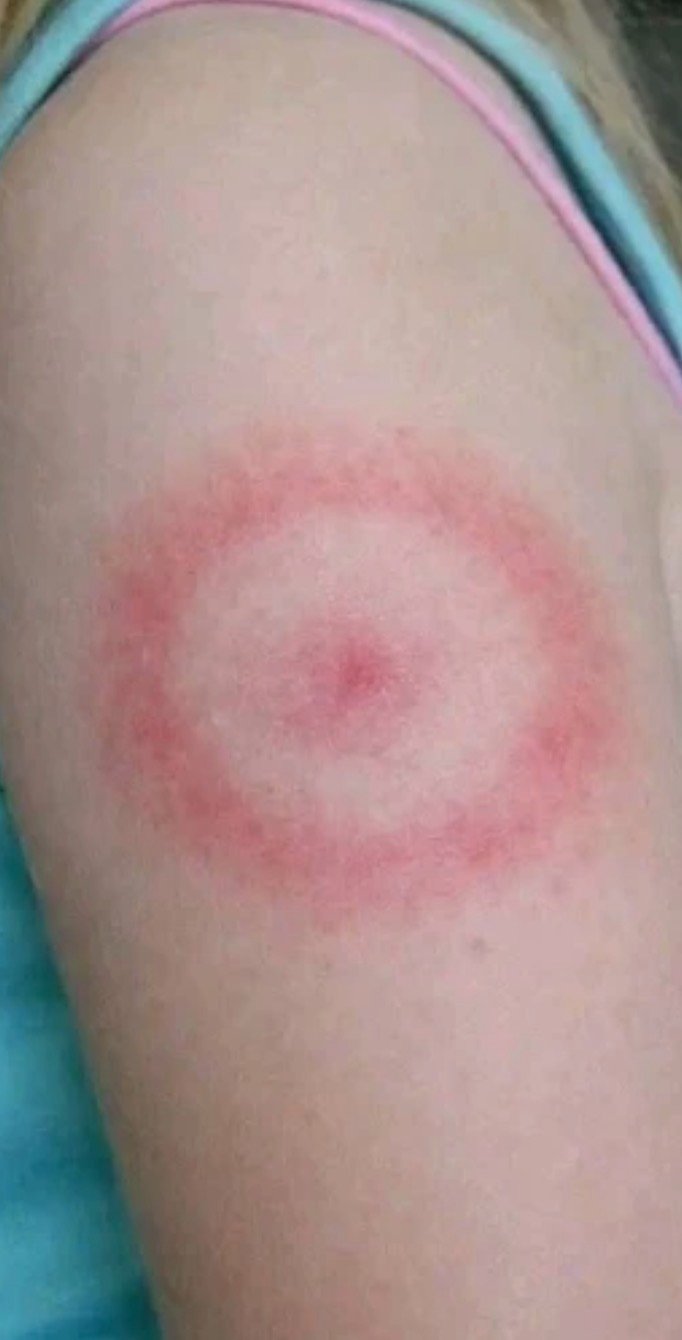
Understanding Red Rings on Your Child’s Skin: A Parent’s Guide
As a parent, noticing anything unusual on your child’s skin can instantly trigger anxiety and concerns regarding their health. A strange red ring on your daughter’s arm may lead you to panic and consider a trip to the emergency room. But the good news is that while some skin conditions are indeed serious, many red ring rashes are harmless and have simple explanations. In this comprehensive guide, we will explore the potential causes of these rashes, when to seek medical attention, and how to stay calm while handling such situations.
1. Common Causes of Red Rings on Children’s Skin
There are various reasons your child could develop a red ring on their skin. Understanding these causes can help alleviate your fears and provide guidance on the next steps to take. Here are several common conditions associated with red rings:
- Ringworm: This is a fungal infection that typically appears as a circular, red, ring-like rash with a clear center. It is contagious and can spread through direct contact or contaminated surfaces.
- Insect Bites: Sometimes, insect bites can cause localized inflammation, leading to a red ring surrounding the bite area. It’s often associated with swelling or tenderness.
- Scarlet Fever: A rash associated with streptococcal infections can initially present as a red ring or be part of a larger rash. Monitor symptoms like fever and sore throat.
- Erythema Multiforme: This is a hypersensitivity reaction that can cause red rings known as target lesions. It may have various triggers, including infections or medication reactions.
- Allergic Reactions: Allergies to certain foods, medications, or contact with irritants can result in red rings on the skin, often accompanied by hives or swelling.
2. Observing the Rash: Key Indicators
When you notice a red ring on your child’s skin, it is essential to observe additional symptoms and changes closely. Here are significant factors to consider:
Size and Shape
Note whether the ring is expanding or changing shape. A growing or changing rash could require medical attention, while stationary rashes may indicate a less severe issue.
Color and Appearance
Keep an eye on any changes in the color of the rash. Rashes that become increasingly red or develop blisters may need to be evaluated by a healthcare provider.
Accompanying Symptoms
Observe if your child is experiencing other symptoms, such as:
- Fever or chills
- Fatigue or weakness
- Pain or discomfort
- Itching or burning sensations
Tracking Changes
Take photographs of the rash daily. This will help you track any changes over time and provide valuable information to your doctor if you decide to seek medical advice.
3. When to Seek Medical Attention
While many ring-shaped rashes are not emergencies, there are instances when immediate medical evaluation is necessary. Here are some guidelines to help you decide:
- If the rash rapidly spreads or grows larger within a short period.
- If your child experiences persistent itching, pain, or discomfort.
- If the rash is accompanied by fever, fatigue, or other concerning symptoms.
- If new red rings or spots appear elsewhere on the body.
- If the rash does not improve with home treatment within a few days.
4. Self-Care Techniques for Managing Ring Rashes
In many cases, parents can manage mild or benign rashes at home. Here are some self-care techniques that can help soothe your child’s skin:
1. Keep the Area Clean
Ensure that the affected area is clean and well-maintained. Wash the skin gently with lukewarm water and mild soap, then pat it dry. Avoid scrubbing the rash, as this may irritate it further.
2. Use Cold Compresses
If the rash appears itchy or uncomfortable, applying a cold compress can provide relief. This helps reduce inflammation and soothe irritated skin.
3. Over-the-Counter Remedies
For rashes associated with itching or irritation, over-the-counter antihistamines or hydrocortisone cream may be beneficial. Always consult your pediatrician before applying any medication to your child.
4. Avoid Scratching
Encourage your child not to scratch the rash. Scratching can lead to infections or further irritation, exacerbating the problem.
5. Consulting a Healthcare Professional
If you decide to seek medical advice, your pediatrician will likely perform a thorough examination and may ask about:
- Your child’s medical history and any recent illnesses or allergies.
- Activities or exposures that may have led to the rash (such as bug bites or new medications).
- Duration of the rash and any accompanying symptoms experienced by your child.
Based on this information, they may suggest treatments ranging from topical ointments to further tests if necessary.
Conclusion: Staying Calm and Informed
Seeing a red ring on your child’s skin can understandably cause concern. However, remaining calm and rational while taking careful observations will allow you to make informed decisions regarding their health. While many rashes are harmless and resolve on their own, knowing when to seek medical attention is crucial. Remember to document any changes, maintain cleanliness, and consult your healthcare provider if needed to ensure your child’s well-being.