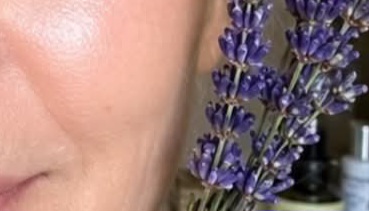
The Skin-Reset Signal Hiding Inside Rosehip OilRosehip oil is the skin’s repair courier. It carries raw biological fuel into dry, stressed tissue, where the barrier feels cracked like old paint on a sun-beaten wall.When that barrier is damaged, moisture leaks out and irritation floods in. The skin starts acting like a broken roof: every little storm gets inside, and every morning the damage looks a little more obvious.Rosehip changes the terrain. It feeds the surface with lipid-rich ammunition, helping the skin look less ragged and more even over time. That’s not magic — that’s a full internal reset for tissue that has been starved of the materials it needs to rebuild.Here’s the part people miss: the glow is not the first thing that happens. First, the tight, papery feeling starts to back off. Then the blotchy look stops screaming for attention, and only after that do the old marks begin to look less aggressive.But that’s only one lane. The deeper shift happens when the nervous system gets the message that it can stand down… and that’s where the scent oils take over.The Scent Switch That Hits the Brain Before Thought DoesLavender, bergamot, neroli, chamomile, mandarin, geranium, orange, and ylang-ylang don’t just sit in the air. They punch straight through the nose into the emotional command center, where a smell can drag up a memory faster than a sentence can finish.That sharp inhale after uncapping a bottle? That’s the moment the brain starts sorting danger from safety. It’s like opening a window in a room that’s been filling with smoke — the air changes before you even know you were suffocating.And that is why the right scent can feel like a trapdoor opening under tension. Shoulders drop. Breathing changes. The face stops bracing for impact. For people carrying stress in their body, that shift is not subtle — it’s the first crack in a wall that’s been standing too long.Wall Street doesn’t build empires around a bottle of lavender oil, and that tells you everything. The big money lives in synthetic shortcuts, not in a tiny plant extract that works by changing how the body feels from the inside out.But the wrong oil, the wrong dose, or the wrong skin application can turn that relief into irritation fast. And that’s where the real danger starts to show up…The Burn-and-Bloat Problem Nobody Wants to AdmitStrong oils like oregano, thyme, cinnamon, and clove can scorch skin that is already vulnerable. Citrus oils can leave a person with a burn or darkened patches when sunlight hits fresh application.That’s because concentrated oil is not a soft tea. It’s a chemical blowtorch when it’s used undiluted, especially on skin that is thin, reactive, or already inflamed. One careless swipe across the face can feel fine for minutes, then turn into heat, redness, and regret.The carrier oil is the buffer. Jojoba, vegetable oils, and other base oils act like traffic control, slowing the rush so the skin doesn’t get slammed by the full force of the extract. Without that buffer, the oil doesn’t nourish — it attacks.People blame “sensitive skin” when the real culprit is bad handling. No one tells you that a bright citrus blend can leave the skin looking sun-kissed in the worst possible way, or that a spicy oil can turn a calm patch of skin into a live wire.That’s why dilution isn’t a suggestion. It is the difference between a tool and a burn.And once you understand that, the next question becomes obvious: which blends actually target the problems people complain about every day?Stress, Headaches, and the Body Signals That Won’t Shut UpStress doesn’t live in the mind alone. It locks the jaw, tightens the scalp, and turns the neck into a steel cable. Peppermint, basil, and lavender can be diluted and applied carefully so the body gets the message to unclench.Peppermint feels like a cold blade of air across the skin. That cooling shock is the sensory clue that makes the body pay attention, the same way a splash of icy water snaps someone out of a fog.For headaches, the goal is not to drown the face in scent. It is to place a small, precise signal where the tension is loudest, so the pressure pattern starts to loosen instead of building like steam under a lid.Women often recognize this first in the mirror: tired eyes, a pinched mouth, a face that looks one bad day away from collapse. Men often feel it as pressure first — behind the eyes, in the temples, in the shoulders — before they ever call it stress.That’s the ugly contrast: when the body gets no release, it starts speaking in pain instead of words. The oil doesn’t “fix life.” It gives the nervous system a different instruction.And once the body stops screaming, the skin work starts to matter even more…The Firming Blend, the Deodorant Fix, and the Underdog SecretThere’s a reason a simple body blend can feel like a private cheat code. Virgin borage oil, rockrose essential oil, peppermint essential oil, and vitamin E create a slick, active layer that supports the look of firmer skin when used consistently.Think of it like oiling a squeaky hinge before it tears itself loose. The tissue still has to do the work, but the environment stops fighting every movement.The same logic shows up in the natural deodorant blend with sage, geranium, and a touch of lemon in an alcohol base. That sharp, herbal smell is the clue: this is not about masking odor with a cloud of fake flowers. It’s about changing the surface conditions where odor builds.Not because it doesn’t work — because it doesn’t PAY. That’s why the most useful plant-based formulas are usually quiet, practical, and stripped down to a few ingredients that pull their weight.After a few days of consistency, the body stops feeling like a battlefield. The skin looks less beaten up. The scent of the blend becomes a signal, not a cover-up. And that’s when people realize the real power was never in the fragrance alone — it was in the way the ingredients were handled.P.S. The fastest way to ruin a good oil blend is to slap it on after a hot shower and then walk into sunlight with citrus still on your skin. That’s how a “natural” routine turns into visible irritation: the skin is open, the pores are warm, and the wrong oil sits there like fuel on a match. Next, the pairing rule that separates repair from disaster…This article is for informational purposes only and does not replace professional medical advice. Please consult your healthcare provider for personalized guidance.ShareShare on Facebook
Aromatherapy Oils That Trigger Skin Repair, Fade Spots, and Crush Stress