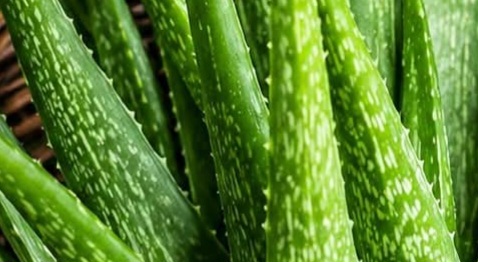
Aloe vera and honey have long been praised in traditional wellness circles. Many older adults turn to them because they feel safer than medications. And yes, both have beneficial compounds.But here’s where things get complicated.Aloe vera contains antioxidants and plant compounds that may support digestion and skin health. Honey, especially raw honey, contains natural sugars along with trace nutrients.However, combining them and consuming regularly without guidance is not always harmless.The reality is this:• Aloe vera latex can irritate the digestive system• Honey can raise blood sugar levels if used excessively• Effects vary greatly depending on dosage and individual healthAnd that’s not all…Some people rely too heavily on these mixtures, delaying proper medical care. That’s where the real danger lies.Why “Natural” Doesn’t Always Mean Safe for Blood SugarImageLet’s clear up a common misunderstanding.Natural ingredients can still affect your body in powerful ways. Honey, for example, is still a form of sugar. Even though it’s less processed, it can still impact glucose levels.According to general nutrition research, consuming high amounts of simple sugars can:• Increase blood glucose spikes• Affect insulin sensitivity over time• Lead to energy crashesNow here’s the part many people overlook.Older adults often have slower metabolism and different insulin responses. This means what worked at age 30 may not work the same at 60 or 70.So while a small amount of honey may fit into a balanced diet, relying on it daily as a “health remedy” can backfire.Common Mistakes People Make With Home RemediesImageHere’s the honest truth I’ve seen over years of advising patients.People don’t usually fail because they choose natural options. They struggle because of how they use them.Let’s look at the most common mistakes:Overuse Without MeasurementMany people eyeball ingredients instead of measuring. This leads to inconsistent intake and unpredictable effects.Replacing Medical AdviceSome completely replace doctor guidance with home remedies. This is risky, especially for chronic conditions.Following Viral Recipes BlindlyNot every recipe online is suitable for everyone. Your body is unique.And here’s something important.Just because a naturopath suggested something doesn’t mean it applies forever or in all situations.Aloe Vera: Benefits and Cautions You Should KnowImageAloe vera does have potential benefits when used correctly.Some studies suggest it may support:• Digestive comfort• Skin hydration• Mild anti inflammatory effectsBut there are also cautions:Aspect Benefit RiskAloe gel Soothing and hydrating Generally safe in moderationAloe latex Strong laxative effect Can irritate intestinesLong term use May support digestion Overuse can disrupt balanceHere’s the key takeaway.Not all parts of the aloe plant are meant for regular consumption.And yet, many homemade recipes don’t distinguish between them.Honey: Friend or Hidden Sugar Trap?ImageHoney is often marketed as a healthier alternative to sugar.And to some extent, that’s true.But let’s not ignore the facts.Honey still contains glucose and fructose. When consumed in excess, it can:• Raise blood sugar levels• Add extra calories• Contribute to weight gainHere’s a simple comparison:Sweetener Processing Level Blood Sugar ImpactWhite sugar Highly processed HighHoney Minimally processed Moderate to highStevia Natural extract MinimalSo while honey may be “better,” it is not neutral.That distinction matters more than most people realize.A Smarter Way to Use Natural Ingredients DailyImageNow this is where things get practical.You don’t need to completely avoid aloe vera or honey. Instead, you need to use them wisely.Here’s a safer approach:Step by Step GuidanceStart smallUse very small portions and observe how your body reactsAvoid daily dependencyRotate natural ingredients instead of relying on one remedyTrack your body signalsMonitor energy, digestion, and if possible, blood sugarCombine with balanced mealsNever consume sugary ingredients alone on an empty stomachTalk to a healthcare professionalEspecially if you already have metabolic concernsSimple adjustments like these can make a big difference.The Emotional Side: Why We Fall for “Miracle Remedies”ImageLet’s be honest for a moment.When health becomes uncertain, we look for hope. Something simple. Something natural. Something that feels within our control.That’s completely human.But here’s the reality.The idea of a “one remedy fixes all” is more comforting than truthful.And unfortunately, that belief can lead to disappointment or even harm.The better path is slower, more balanced, and sometimes less exciting.But it works.Final Thoughts: What You Should Remember Starting TodayIf there’s one thing I want you to take away, it’s this:Natural remedies are tools, not solutions.Aloe vera and honey can be part of a healthy lifestyle when used carefully. But they are not magic answers, especially for complex conditions like blood sugar management.Small habits matter more than quick fixes.Consistency beats shortcuts every time.And now, here’s the open loop we started with.The real “secret” isn’t a special recipe. It’s understanding your body, using moderation, and avoiding extremes even when something feels natural.Frequently Asked Questions (FAQ)1. Can I take aloe vera and honey every day?It’s best not to rely on them daily. Occasional use in small amounts is generally safer, but regular use should be discussed with a healthcare professional.2. Is honey better than sugar for older adults?Honey is less processed, but it still affects blood sugar. It should be used in moderation, especially for those monitoring glucose levels.3. Are natural remedies enough for managing health conditions?Natural approaches can support overall wellness, but they should not replace professional medical advice or prescribed treatments.DisclaimerThis article is for informational purposes only and does not replace professional medical advice. Always consult a qualified healthcare provider before making changes to your diet or health routine.
Could This Simple Aloe Habit Be Harming Your Blood Sugar Without You Knowing?