
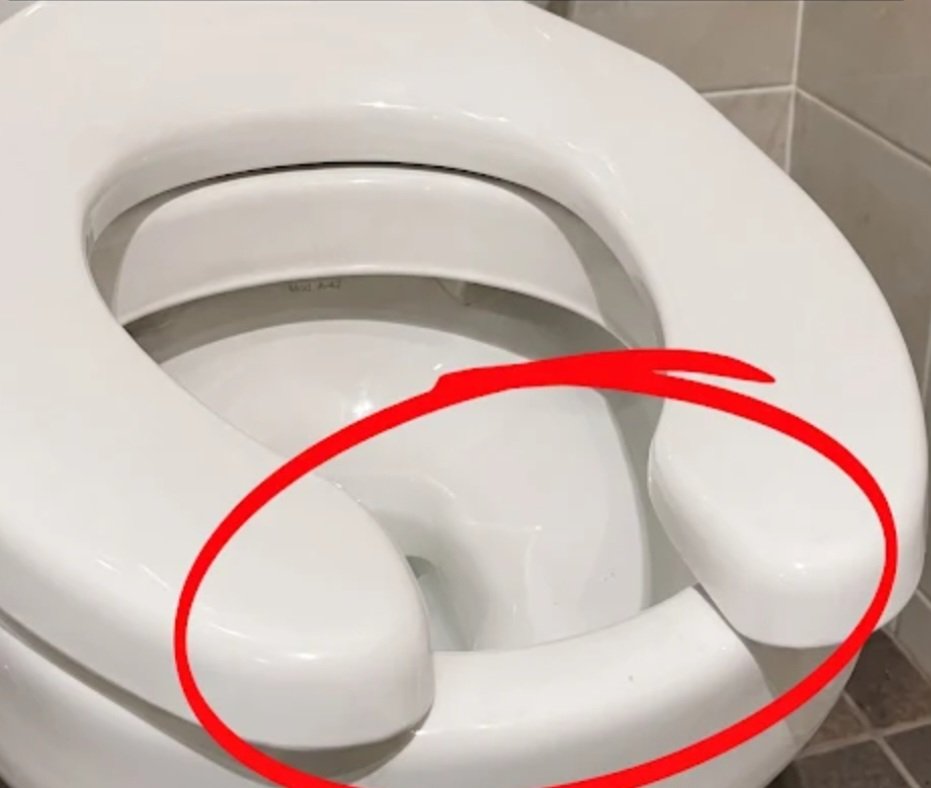
Understanding the Design of U-Shaped Toilets in Public Restrooms
Have you ever wondered why public restrooms often feature U-shaped toilets? While these unique toilet seat designs might seem insignificant at first glance, they hold a fascinating history and practical reasons that enhance our restroom experience. This article will delve deep into why U-shaped toilet seats are the preferred choice for public facilities, touching on aspects of hygiene, user comfort, accessibility, and maintenance.
The Purpose Behind U-Shaped Toilet Seats
U-shaped toilet seats, also known as open-front toilet seats, have distinct characteristics that differentiate them from traditional oval-shaped seats typically found in homes. Understanding their purpose reveals a lot about how design can be integral to functionality in public restrooms.
1. Hygiene Considerations
One of the foremost reasons for the U-shaped design is hygiene. Public restrooms are heavily trafficked spaces, which necessitate a design that minimizes the risk of contamination:
- Reduced Contact: The open-front design reduces contact areas, lessening the chances of germs spreading from the toilet seat to users.
- Easy to Clean: The U-shaped seat is easier for custodial staff to clean, helping maintain a more sanitary environment.
- Visibility: This shape allows for better visibility into the toilet bowl, promoting cleanliness as users can check for any issues before use.
2. User Comfort and Ergonomics
The comfort of users in public restrooms is paramount. The U-shaped toilet seat design caters to several user needs:
- Accessibility: Open-front seats enable easier access for users, particularly for individuals with disabilities or those who require additional space while using the facility.
- Gender Inclusivity: The design is particularly beneficial for both male and female users, ensuring comfort during various types of use.
- Posture Support: The shape can support certain postures better, providing a more comfortable experience for users.
The History of U-Shaped Toilets
The evolution of the U-shaped toilet seat goes beyond mere practicality; it reflects broader societal changes and innovations in restroom designs:
1. Design Evolution
The U-shaped toilet seat began appearing in public restrooms around the mid-20th century. This period marked significant advancements in plumbing technology and a growing consciousness around sanitation:
- Shift to Public Sanitation: With increasing urbanization, public sanitation became a priority. The U-shaped design emerged as a solution to various cleanliness and accessibility concerns.
- Standardization: Over the years, U-shaped toilets have become standardized in many public facilities, ensuring uniformity across different locations for users’ familiarity.
2. Cultural Influences
The prevalence of U-shaped toilets can also be attributed to cultural preferences and practical adaptations to restroom design around the world:
- Adaptation for Use: In various cultures, public restrooms prioritize efficiency and cleanliness, shaping how toilets are designed and installed.
- Global Trends: As countries modernized and international travel increased, design principles began to standardize, and the U-shaped toilet was adopted widely due to its advantages.
Challenges and Criticisms of U-Shaped Toilets
While U-shaped toilets have numerous benefits, they aren’t without criticism. Some users express discomfort or aesthetic concerns:
1. User Adjustments
For individuals accustomed to oval-shaped toilet seats, transitioning to U-shaped seats may present an initial adjustment period:
- Fear of Lack of Support: Some users worry that the open-front design may not provide adequate support, though this is often a matter of perception rather than reality.
- Visual Preferences: Others might simply prefer the rounded aesthetic of traditional toilet seats.
2. Cleanliness Expectations
Despite the hygiene advantages, some restroom users may perceive U-shaped toilets as less sanitary:
- Design Misunderstandings: Users unfamiliar with the design might assume the opening suggests a deeper issue with cleanliness or sanitation.
- Preference for Personal Comfort: Many individuals simply feel more comfortable and secure with traditional designs.
Future Trends in Public Restroom Design
The conversation surrounding public restroom designs, including toilet seats, is constantly evolving. As health trends shift and sanitation technology advances, U-shaped toilets are likely to remain a staple, with possible innovations on the horizon:
1. Smart Toilets
As technology permeates all facets of our lives, public restrooms may soon feature smart toilets that monitor usage and cleanliness:
- Health Monitoring: Toilets equipped with sensors could help track public health indicators by analyzing waste.
- Self-Cleaning Mechanisms: Innovations might include automatic cleaning features that maintain hygiene without human intervention.
2. Enhanced Design Features
With sustainability in focus, future designs may integrate environmentally friendly materials and practices:
- Water Conservation: Toilets that use less water while maintaining efficient functionality may see increased adoption.
- Recyclable Materials: Options for toilet seat materials that are easy to recycle will align with sustainable building practices.
Conclusion
U-shaped toilets in public restrooms represent a fascinating blend of history, functionality, and user-centric design. Their development highlights the essential nature of design choices in promoting hygiene, user comfort, and accessibility. While some users may prefer traditional toilet seat designs, the practical advantages of U-shaped toilets often make them the preferred choice for public spaces. As we look ahead, innovation and design evolution will continue to shape the future of restroom facilities, ensuring that they meet the needs of all users efficiently and effectively.