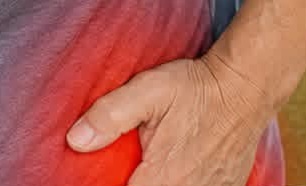
Understanding Left-Side Body Pain: Why Location MattersPain on the left side of the body can originate from various structures, including muscles, organs in the abdomen, chest, or even referred sensations. The left side houses important organs like the stomach, pancreas, spleen, left kidney, part of the colon, and the heart on the chest side. This makes pinpointing the source tricky without expert evaluation.But here’s what many people don’t realize: The intensity and exact location of the pain often provide clues. Upper left discomfort might relate to digestive organs, while lower left pain could tie to the colon or, in women, reproductive structures. Chest-area pain requires special caution due to its proximity to the heart and lungs.Research and clinical observations suggest that factors like diet, posture, stress, and age play significant roles in how these sensations appear. Studies on abdominal discomfort, for instance, frequently link it to lifestyle habits that are surprisingly easy to adjust.Possible Causes of Upper Left-Side PainDiscomfort in the upper left abdomen or under the ribs is one of the most reported types. Common associations include:Digestive issues: Indigestion, gas buildup, or stomach irritation can create bloating and cramping sensations after eating.Pancreas or spleen concerns: Inflammation or enlargement in these areas may contribute to discomfort, often accompanied by other digestive changes.Kidney-related factors: Stones or infections on the left side can cause pain that radiates to the back or groin.Many people notice these sensations worsen with certain foods, dehydration, or after physical strain.Bucket brigade: But digestive causes are just the beginning…Lower Left-Side Abdominal Pain: What It Might SignalPain lower down, especially in the left lower quadrant, frequently connects to the colon. One well-known possibility is diverticular issues, where small pouches in the colon wall become irritated—particularly common in older adults.Other potential contributors:Constipation or changes in bowel habits.Muscle strains from activity or poor posture.In women: menstrual-related cramps or ovarian concerns.Here’s a quick comparison of common sensations:Location Possible Everyday Triggers Accompanying Feelings Often NotedUpper Left Meals, gas Bloating, fullnessLower Left Diet low in fiber Cramping, changes in bathroom habitsChest/Back Posture, stress Tightness, radiating discomfortThis table helps illustrate why tracking your symptoms alongside daily habits can be insightful.Chest Pain on the Left Side: A Special NoteLeft-sided chest discomfort understandably raises more concern. While muscle strains or acid reflux are frequent benign explanations, any chest pain warrants careful attention because it can relate to heart, lung, or esophageal factors.Always err on the side of caution here—especially if it comes with shortness of breath, nausea, or spreads to the arm or jaw.Actionable Tips to Support Your ComfortWhile only a healthcare professional can properly assess your situation, here are some general lifestyle steps many people find helpful for mild, occasional discomfort:Track your symptoms: Note when the pain occurs, what you ate, your activity level, and any other sensations. This information is gold for discussions with your doctor.Adjust your diet: Increase fiber-rich foods gradually (like vegetables, fruits, and whole grains) and stay hydrated to support digestion and reduce gas or constipation.Gentle movement: Light walking or stretching can ease muscle tension, but avoid anything strenuous if pain is present.Posture check: Sit and stand tall to reduce strain on your core and back.Stress management: Techniques like deep breathing or short mindfulness breaks may help, as tension can amplify physical sensations.Over-the-counter options: For occasional heartburn or gas, common remedies like antacids might offer relief—always follow package instructions.These steps promote overall wellness and may reduce the frequency of mild episodes for many.Sự thật là… Small daily habits often make a noticeable difference before issues escalate.When to Seek Medical AttentionKnowing when to reach out to a doctor is crucial for peace of mind. Consider professional evaluation if the pain:Is severe, sudden, or worsening.Lasts more than a few days or keeps returning.Comes with fever, vomiting, blood in stool or urine, jaundice, shortness of breath, dizziness, or unexplained weight loss.Interferes with daily activities or sleep.Emergency care is recommended for intense chest pain, difficulty breathing, or symptoms suggesting a serious issue. Don’t hesitate—timely attention can make all the difference.Surprising Insights: The Mind-Body Connection and PreventionHere’s the part many overlook: Chronic stress or poor sleep can heighten your perception of normal body sensations. Incorporating consistent routines—like balanced meals, regular movement, and adequate rest—supports your body’s natural resilience.Studies highlight how lifestyle factors influence digestive and musculoskeletal comfort. By focusing on prevention through everyday choices, many people experience fewer interruptions from these aches.FAQ: Your Most Common Questions Answered1. Can left-side pain be related to something serious even if it’s mild? Yes, mild pain that persists or recurs deserves attention. While often benign, only a medical professional can rule out underlying factors through proper assessment.2. What home remedies help with occasional left abdominal discomfort? Simple approaches like hydration, a fiber-friendly diet, gentle walking, and avoiding trigger foods (such as heavy or spicy meals) are commonly recommended. Always consult a doctor before starting any new regimen.3. How do I know if my left-side chest pain needs immediate care? Any new or concerning chest pain should prompt quick medical evaluation, especially with accompanying symptoms like shortness of breath or radiating discomfort. Better safe than sorry.Final ThoughtsLeft-side body pain is a signal worth listening to, but it doesn’t have to derail your life. By understanding possible connections, adopting supportive habits, and knowing when to seek expert guidance, you empower yourself to stay proactive about your well-being.Remember, this information is for educational purposes only and is not a substitute for professional medical advice. Consult your healthcare provider for personalized evaluation and recommendations tailored to your unique situation.Disclaimer: The content in this article is intended for informational purposes and does not constitute medical advice, diagnosis, or treatment. Always seek the guidance of your doctor or other qualified health provider with any questions you may have regarding a medical condition.
Pain on the Left Side of the Body: Common Causes and When to Pay Attention