
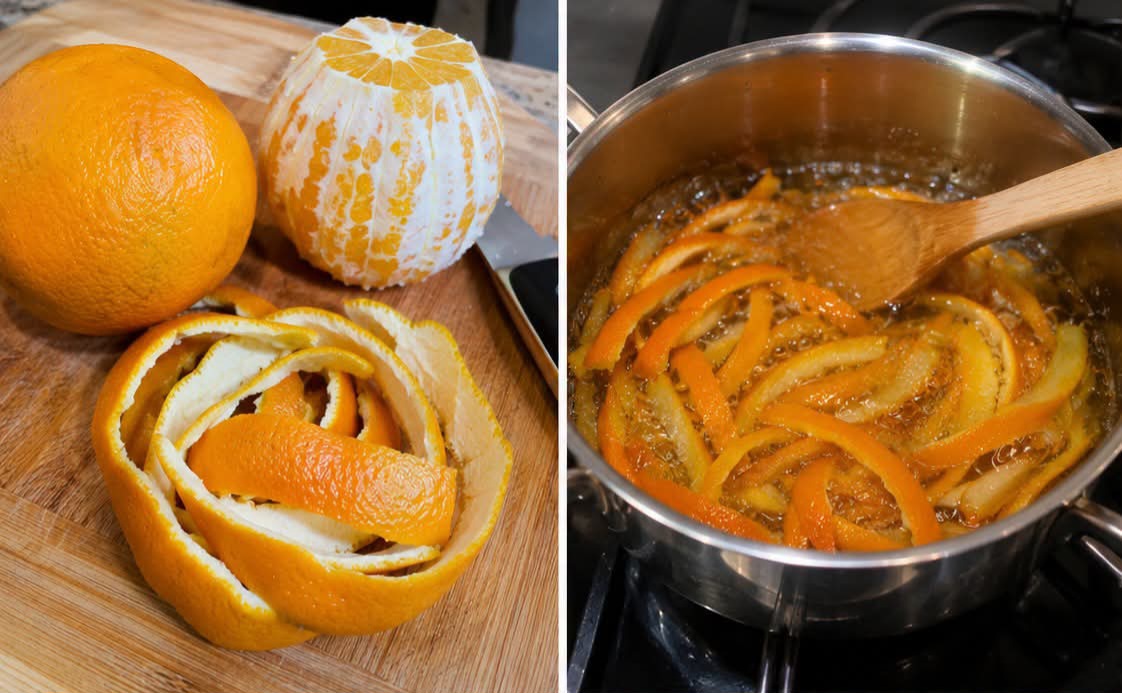
Don’t Throw Away Those Kitchen Scraps: Transform Them Into Culinary Gold
Every day, millions of people toss out kitchen scraps without a second thought. But what if those seemingly insignificant leftovers could be transformed into something wonderful? This article dives into the hidden potential of fruits and vegetables that are often seen as waste, revealing innovative ways to use them. From orange peels to avocado pits, let’s explore why you should never underestimate what you might consider trash.
The Hidden Potential of Orange Peels
During winter, orange peels often find their way into the trash, but these vibrant scraps have much more to offer. Rich in vitamin C and antioxidants, orange peels can be used in a variety of ways:
1. Orange Peel Tea
One of the most delightful uses for orange peels is making tea. Simply dry the peels in the sun or an oven, then steep them in hot water. This tea not only boasts a fresh, citrusy flavor but also provides numerous health benefits.
2. Flavor Enhancer
Chop or zest orange peels to add to salads, marinades, or desserts. The zest can add a burst of flavor to baked goods, such as cakes and muffins, enhancing them with a zesty aroma.
3. Natural Cleaner
Orange peels contain natural oils that can break down grease and grime. You can make a simple cleaner by soaking orange peels in vinegar for a few weeks. Strain the mixture, and you’ll have an eco-friendly cleaner!
The Underrated Lemon Seeds
Many people squeeze lemons for their juice but discard the seeds without consideration. However, lemon seeds can also be quite beneficial:
1. Nutritional Value
Lemon seeds contain antioxidants and may even aid in digestion. You can crush the seeds and incorporate them into smoothies or other dishes for a crunchy texture and health boost.
2. Natural Fertilizer
Instead of discarding them, consider adding crushed lemon seeds to your garden. They’ll decompose and enrich the soil with nutrients.
Avocado Pits: A Nutrient Powerhouse
Typically, when we enjoy avocados, we discard the large pit inside. However, avocado pits are rich in antioxidants and fiber, making them too valuable to throw away:
1. Making Avocado Pit Powder
You can dry the pit, then grate or blend it into a fine powder. This powder can be added to smoothies, baked goods, or even used as a seasoning for dishes, offering a subtle flavor.
2. Avocado Pit Tea
Another innovative use for avocado pits is making a tea. Boil the pit for 10 minutes, then strain, and enjoy a warm, earthy drink packed with nutrients.
Bananas: Turning Overripe into Overachievers
Old bananas often face the fate of the landfill, but they can be salvaged in numerous ways:
1. Banana Bread Recipe
Overripe bananas are perfect for baking. A simple banana bread recipe calls for mashed bananas, flour, sugar, and eggs. The result is a delicious, moist loaf that everyone will love.
2. Natural Face Mask
Bananas are also great for skincare due to their vitamins and minerals. Mash an overripe banana and apply it as a face mask for hydration and softening of the skin.
Pineapple Skins: Crafting Delicious Beverages
Pineapple is a tropical favorite, but the skin often ends up in the trash. Instead, consider this:
1. Pineapple Skin Tea
Pineapple peel can be boiled to create a refreshing tea. Adding some ginger and honey can enhance the flavor. This drink is not only delicious but also rich in vitamins and can aid digestion.
2. Compost Material
If you don’t want to consume the skins, they can still be beneficial. Adding them to your compost pile will help create nutrient-rich compost for your garden.
Eggshells: The Gardener’s Secret Weapon
Eggshells are often discarded, but they are actually a treasure trove of nutrients for plants:
1. Nutrient-Rich Fertilizer
Eggshells are primarily composed of calcium carbonate, an essential nutrient for plants. Crush the dried shells and sprinkle them around your plants to promote healthy growth.
2. Pest Deterrent
Crushed eggshells can deter pests such as slugs and snails when sprinkled around plants, protecting your garden from unwanted invaders.
Conclusion: Embracing the Philosophy of Zero Waste
By learning to appreciate these discarded parts of our food, we can embrace a zero-waste lifestyle. Not only does this reduce waste, but it also opens up a world of culinary creativity. So the next time you prepare ingredients in the kitchen, think twice before throwing away the scraps. They might just be your next secret ingredient!