
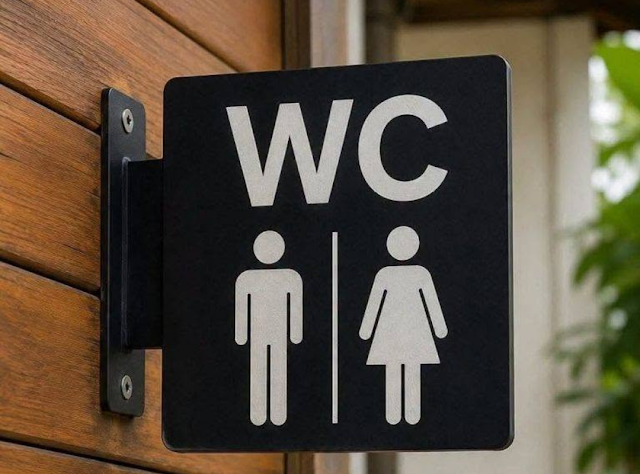
Understanding the Meaning of “WC” on Restroom Signs
Walk into almost any public restroom, and you are likely to encounter signs with the abbreviation “WC”. This widely recognized symbol stands for “Water Closet,” a term that has become shorthand for bathrooms in many parts of the world. But what does this term really mean, and why has it become such a common sight in restrooms? In this article, we will delve into the origins of “WC,” its usage across different cultures, and its evolution over time, providing you with a comprehensive understanding of this ubiquitous restroom sign.
The Origins of “WC”
The term “Water Closet” dates back to the late 19th century and originally referred to a small room or closet containing a flush toilet. The development of indoor plumbing and sewage systems made it possible to install toilets within buildings, leading to the necessity for such a term. Historically, the phrase “water closet” combined concepts of both hygiene and privacy, which were significant improvements over the more public and less sanitary styles of toilets of earlier times.
The Evolution of Toilet Facilities
Before the advent of water closets, various forms of sanitation solutions existed. Public latrines and outhouses were common, and though they served their purpose, they lacked the privacy and cleanliness that modern facilities offer. The introduction of the water closet changed the social perception of restroom facilities, promoting the idea that bathrooms could be safe, clean, and comfortable spaces.
Adoption of “WC” in Different Regions
The term “Water Closet” was adopted in English-speaking countries, particularly in Europe, and has since spread to many non-English speaking nations as well. In France, the abbreviation “WC” appears on restroom signs, while in Italian-speaking regions, you might encounter “WC” on similar signs. This global adoption signifies the standardization of restroom terminology, enhancing communication for international travelers.
Significance of “WC” and Other Bathroom Signs
While “WC” may be the most popular abbreviation, various signage types exist to indicate restroom facilities. Understanding these signs can be beneficial, especially when traveling abroad. Here are some common bathroom-related abbreviations and symbols:
- WC: Water Closet, a universal indication of a toilet.
- Men: Typically represented by symbols like a man silhouette or the word “Men” in various languages.
- Women: Represented by a woman silhouette or the word “Women.”
- Toilet: A direct reference to the facility for personal hygiene.
- Restroom: Commonly used in North American settings, indicating a place for bathroom facilities.
Symbols and Icons Used in Restroom Signage
In addition to “WC,” restroom signage often utilizes icons to visually represent the facilities. These symbols help reduce language barriers, providing easy recognition for all users. Icons can include:
- A silhouette of a man for men’s restrooms.
- A silhouette of a woman for women’s restrooms.
- Gender-neutral symbols for unisex or family restrooms.
The Importance of Accessible Restroom Facilities
As society becomes more inclusive, the emphasis on providing accessible restroom facilities for individuals with disabilities has grown. The inclusion of ADA (Americans with Disabilities Act) compliant symbols and signs is crucial for ensuring ease of access. Accessibility symbols frequently appear alongside “WC” signs, further promoting equality and awareness in public spaces.
Cultural Variations and Modern Usage of “WC”
The abbreviation “WC” is predominant in European countries, while other regions may use different terms. In the United States, for example, the word “restroom” is more commonly utilized. Understanding the distinctions in restroom terminology can help minimize confusion while traveling.
Public Perception and Humor in Restroom Signage
Restroom signage can reflect cultural attitudes and humor as well. For example, some establishments might use whimsical or innovative designs to indicate restroom facilities, appealing to a sense of fun. While “WC” signifies standardization, creative signage can enhance user experience and even make waiting in line more enjoyable.
The Future of Bathroom Signage
As society continues to evolve, so too do bathroom facilities and the signs that indicate them. There is a growing trend toward making restrooms more inclusive with non-binary symbols and accessible designs that respect the identities of all individuals. This progressive move aims to create a welcoming environment for everyone, shifting the public’s perception about restroom accessibility.
Digital Signage and Restroom Notifications
Technological advancements are also making their way into restroom facilities. Digital signage can now indicate restroom availability, cleaning schedules, and even directions to the nearest available facilities. Such innovations enhance the experience for all patrons, symbolizing the merging of technology and common necessity.
Conclusion: The Lasting Impact of “WC”
The term “WC” remains a powerful symbol in the world of restroom signs, representing more than just a place to relieve oneself. It reflects advancements in hygiene, privacy, and social norms regarding public sanitation. Through understanding the origins and significance of “Water Closet,” we can appreciate its importance in modern sanitation practices.
As we move forward, it is essential to continue promoting accessible and inclusive restroom spaces that meet the needs of everyone. “WC” may just be a pair of letters to some, but to many, it represents a vital aspect of personal comfort and societal progress.