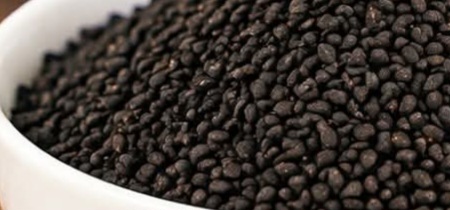
What Makes This Tiny Seed So Special?Nigella sativa, often called black seed, black cumin, or kalonji, has been valued across cultures for thousands of years. These small, jet-black seeds have a slightly bitter, peppery flavor and have appeared in traditional practices from the Middle East to South Asia.The seeds are packed with compounds like thymoquinone, along with healthy fatty acids, antioxidants, and other bioactive elements. While not a miracle cure, emerging studies have drawn attention to how these components may interact with the body in supportive ways.But here’s the part that surprises most people… the potential benefits go beyond what you might expect from a simple kitchen staple.Promising Areas of Research on Black SeedScientists have conducted numerous studies on Nigella sativa, including clinical trials examining its role in daily wellness. Here’s what stands out from the evidence:Support for Metabolic Health: Multiple reviews of randomized controlled trials suggest that black seed supplementation may help with aspects of blood sugar management and lipid profiles. For instance, some studies note improvements in fasting blood glucose and cholesterol markers when used consistently as part of a healthy lifestyle.Anti-Inflammatory and Antioxidant Properties: The seeds contain powerful antioxidants that combat oxidative stress. Research indicates potential benefits for reducing certain inflammatory markers, which could contribute to feeling more comfortable in daily activities.Respiratory and Immune Support: Traditional uses for respiratory comfort align with some clinical findings. Small studies have explored its effects on asthma symptoms and general immune function, with participants reporting better ease in breathing.Skin and Hair Wellness: Topical or supplemental use has been linked in preliminary research to improvements in skin conditions like acne or eczema, and even hair density in certain cases.These findings come from a growing body of work, though results can vary by individual, dosage, and study design. More large-scale research continues to build on this foundation.Nutritional Profile: Why These Seeds Pack a PunchBlack seeds aren’t just flavorful—they offer a nutrient-dense addition to meals. A typical serving provides:Essential fatty acids (including omega-6 and omega-9)Protein and fiberMinerals like iron, calcium, and magnesiumThymoquinone and other unique phytochemicalsQuick Comparison of Common Forms:Form Best For Typical Daily Amount SuggestionWhole Seeds Cooking, sprinkling 1-2 teaspoonsPowdered Smoothies, baking 1-3 gramsOil/Capsules Convenience, topical As directed on labelThis versatility makes it easy to experiment without overhauling your diet.Actionable Tips: How to Add Black Seed to Your RoutineReady to try it? Here are practical, step-by-step ideas you can start today. Always begin with small amounts and consult a healthcare professional first, especially if you have existing conditions or take medications.Start Simple in the Kitchen: Toast a teaspoon of whole seeds lightly and sprinkle them over salads, yogurt, or roasted vegetables. Their nutty taste pairs well with cumin or coriander.Make a Daily Tea: Steep 1/2 teaspoon of crushed seeds in hot water for 10 minutes. Add honey or lemon for flavor. Many enjoy this as a morning ritual.Smoothie Booster: Blend black seed powder into your favorite green smoothie with banana, spinach, and a touch of ginger for a balanced start.Topical Application: Dilute black seed oil with a carrier oil (like coconut or jojoba) for skin support. Patch test first on a small area.Supplement Wisely: Look for high-quality, cold-pressed oil capsules from reputable brands. Follow label instructions—common studied amounts range from 1-3 grams per day.Pro Tip: Consistency matters more than quantity. Pair it with a nutrient-rich diet, regular movement, and good sleep for the best results.But that’s not all—many users report subtle improvements in energy and digestion over weeks of use, turning it into a sustainable habit rather than a quick fix.Potential Benefits for Everyday LifeImagine waking up with a bit more pep in your step or noticing your skin looking a little brighter. While individual experiences vary, the antioxidant profile may support cellular health over time. Some studies even hint at weight management support when combined with calorie control and exercise, thanks to possible effects on appetite and metabolism.For active adults or those focused on longevity, incorporating black seed fits nicely into a holistic wellness plan.Safety Considerations and Best PracticesBlack seed is generally well-tolerated for most people when used in food amounts or standard supplement doses. Mild side effects like stomach upset can occur if starting too high. Pregnant or breastfeeding individuals, or those on blood thinners or diabetes medications, should seek medical advice due to potential interactions.Quality matters—choose organic, tested products to avoid contaminants.Conclusion: A Small Seed, Big PotentialThis tiny black seed offers an intriguing option for those seeking natural ways to support their health journey. From its rich history to modern research on antioxidants, metabolic balance, and more, it’s a versatile addition worth exploring mindfully.Small changes like this can add up to feeling your best. What will you try first?FAQ1. What is the best way to consume black seeds for beginners? Whole seeds or powder mixed into food are easiest. Start small to assess tolerance.2. How long does it take to notice any effects? Many studies look at 4-12 weeks of consistent use. Results depend on your overall lifestyle.3. Can I use black seed oil on my face? Yes, diluted, but do a patch test. It’s popular in skincare routines for its potential soothing properties.Disclaimer: This article is for informational purposes only and is not intended to diagnose, treat, cure, or prevent any disease. The information provided should not replace professional medical advice. Always consult with a qualified healthcare provider before starting any new supplement or making significant dietary changes, especially if you have health conditions or are taking medications. Individual results may vary
The Health Secret Hidden in This Tiny Seed