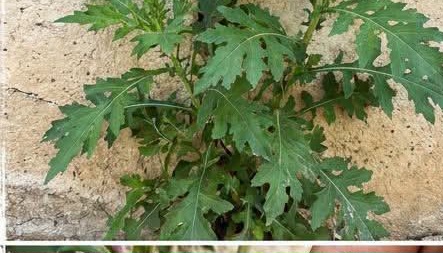
That white “ Lactuca Virosa Milk” dripping from the cut stem is the reason this plant goes viral. Many people spot a spiky, dandelion-like weed that releases a milky latex, then connect it to posts about neck tension, back discomfort, and “natural pain relief.” You’ll often hear it called wild lettuce or lettuce lactucarium (lactuca virosa).But here’s the part most people never realize: milky-sap plants can irritate skin, and misidentifying wild plants can be risky. So if you’re curious, the safest approach is learning how to use this trend gently and responsibly, with realistic expectations.lactuca virosaTable of ContentsFirst, a Quick Identification NoteIngredientsOption A: Topical latex (external use only)Option B: Gentle tea (only if properly identified)How to PrepareOption A: How to collect the “milk” for topical useOption B: How to make a mild leaf teaHow to Use + Best Time to TakeTopical useTea useWhy People Believe It WorksWho Might Benefit MostQuick Relief Timeline (Realistic Expectations)Simple Adjustments That Make It Work BetterSafety Notes (Please Don’t Skip)Avoid if:Do not use latex:Foraging caution:Seek medical care urgently if you have:Final TakeawayFirst, a Quick Identification NoteThe plant is lactuca virosa – type plant with spiky leaves and milky latex when cut. Several plants look similar, and not all are safe.Safety rule: If you are not 100% sure of the ID, do not ingest it or rub the sap on your skin.IngredientsIf you’re working with a confirmed edible/medicinal wild lettuce (lactuca virosa) – type plant (properly identified), here are the simplest options people use:Option A: Topical latex (external use only)Fresh stem that releases milky latexClean cotton swab or clean fingertipMild carrier oil (optional): olive oil or coconut oil (tiny amount)Option B: Gentle tea (only if properly identified)1–2 teaspoons dried leaves (not the latex)1 cup hot waterWild lettuce as food and pain relief: how to identify it in your garden. — Wild Plants, Foraging, Food, Art and CultureHow to PrepareOption A: How to collect the “milk” for topical useWear gloves if you have sensitive skin.Cut a small section of the stem.Let the white latex bead up for 30–60 seconds.Dab a tiny amount onto a clean surface (or directly onto skin after patch testing).Patch test first:Apply a dot to your inner forearm and wait 24 hours. If you get redness, itching, burning, or rash, do not use it.Option B: How to make a mild leaf teaAdd 1–2 teaspoons dried leaves to a cup.Pour in hot (not violently boiling) water.Steep 7–10 minutes.Strain and sip slowly.Start with ½ cup the first time to see how your body reacts.Wild lettuce as food and pain relief: how to identify it in your garden. — Wild Plants, Foraging, Food, Art and CultureHow to Use + Best Time to TakeTopical useDab a very small amount onto the painful area (neck/shoulder/back), 1–2 times daily.Avoid broken skin, eyes, mouth, and sensitive areas.Tea useUse only occasionally, ideally in the evening, because some people report it feels relaxing.Avoid combining with alcohol or sedating medications.Why People Believe It WorksThe “wild lettuce milk” trend is based on the idea that the plant’s latex contains compounds that may have mild calming or discomfort-soothing properties.What’s realistic:It may help some people feel slightly more relaxed, which can reduce the perception of tension.If your pain is driven by tight muscles and stress, relaxation can feel like relief.What’s not realistic:It will not “cure” nerve compression, disc problems, arthritis, or serious spine conditions.Who Might Benefit MostThis type of remedy is most often used by people who:Have stress-related neck/shoulder tightnessFeel “wired but tired” and carry tension in the upper backWant a gentle routine alongside heat, stretching, and restQuick Relief Timeline (Realistic Expectations)Topical latex: If it helps, you may notice a soothing effect within 15–60 minutes.Tea: If it agrees with you, the relaxing effect may show up in 30–90 minutes.Best results: Usually come after 3–7 days of combining safer basics: hydration, magnesium-rich foods, gentle movement, and sleep consistency.Simple Adjustments That Make It Work BetterIf you’re trying this for tension, pair it with habits that actually change the outcome:Warm compress on the neck for 10 minutesSlow breathing (4 seconds in, 6 seconds out for 3 minutes)Light stretching (no aggressive cracking)Short walk after dinner to decompress the nervous systemSafety Notes (Please Don’t Skip)This is the most important section.Avoid if:You are pregnant or breastfeedingYou have allergies to plants with milky sapYou have a history of strong skin reactions (eczema flare, contact dermatitis)You take sedatives, sleep medications, or drink alcohol regularlyDo not use latex:On broken skinNear eyes/mouthIn large amounts (more is not better)Foraging caution:Misidentification is the biggest risk with viral plant remedies. If you didn’t identify it with certainty (or a trusted local guide), skip it.Seek medical care urgently if you have:Numbness, weakness, facial droop, severe headacheChest painSudden severe neck pain after injuryLoss of bladder/bowel controlFinal TakeawayThe “wild lettuce milk” remedy is popular because it’s simple and feels earthy and old-school. But safety matters more than trends.If you want to try it, keep it tiny, cautious, and supportive – and use it alongside the basics that reliably reduce tension: sleep, gentle movement, heat, and stress regulation.
The “Wild Lactuca Virosa Milk” Pain Remedy People Share Online