How Your Thyroid Influences Body TemperatureYour thyroid gland, located in the front of your neck, produces hormones that help regulate metabolism and keep your body warm. These hormones influence how efficiently your cells generate energy and heat. Research shows that when thyroid function is suboptimal, your metabolic rate can slow down, leading to reduced heat production and greater sensitivity to cooler temperatures.But here’s something important to know: while iodine is essential for making those thyroid hormones, it’s not always the simple fix people hope for when they feel cold.The Connection Between Feeling Cold and Thyroid HealthFeeling colder than usual is one of the common experiences linked to changes in thyroid hormone levels. Studies indicate that a significant percentage of individuals with lower thyroid function report increased cold sensitivity. This happens because slower metabolism means less internal heat generation.However, many factors beyond just iodine status can affect thyroid performance. In regions where iodine intake is generally adequate, other influences often play a bigger role.Why Iodine Isn’t Always the AnswerIodine is a key building block for thyroid hormones, and true deficiency can contribute to symptoms like feeling cold. Yet, in many developed areas with iodized salt and varied diets, outright deficiency is less common. Adding more iodine through supplements may not help — and in some cases, it could lead to unexpected effects on thyroid balance.The truth is, excess iodine can sometimes stress the thyroid, particularly if there are underlying autoimmune factors or other conditions present. That’s why simply increasing iodine intake isn’t recommended as a universal solution. Consulting a healthcare professional for proper evaluation is the safest approach before making changes.Other Common Factors That May Contribute to Feeling ColdSeveral lifestyle and health elements can influence how warm or cold you feel:Circulation and activity levels: Reduced movement can limit blood flow and heat distribution.Nutrient balance: Beyond iodine, nutrients like selenium, zinc, and iron support overall thyroid and metabolic health.Stress and sleep: Chronic stress or poor rest can disrupt hormone regulation.Age-related changes: Metabolism naturally tends to slow with time.Understanding these helps explain why focusing solely on iodine might miss the bigger picture.Signs That Warrant Professional AttentionWhile occasional chills are normal, persistent cold intolerance combined with fatigue, dry skin, or other changes may signal the need for a check-up. Blood tests can provide a clearer view of thyroid function without relying on assumptions.Lifestyle Habits to Support Thyroid WellnessSupporting your body’s natural balance doesn’t always require drastic measures. Small, consistent habits can make a noticeable difference in how you feel day to day.Actionable Tips for Everyday Thyroid SupportHere are practical steps you can incorporate:Maintain a balanced diet: Include a variety of whole foods such as seafood, dairy, eggs, nuts, and vegetables. These provide a range of nutrients that work together.Stay active: Regular gentle movement like walking, swimming, or yoga helps promote circulation and metabolic health.Prioritize sleep: Aim for consistent, quality rest to support hormone regulation.Manage stress: Practices like deep breathing, meditation, or time in nature can help keep stress hormones in check.Stay hydrated: Proper fluid intake supports overall metabolic processes.Nutrient-Rich Foods That May HelpConsider adding these to your meals (in moderation and as part of a varied diet):Selenium sources: Brazil nuts (1-2 per day), sunflower seeds.Zinc-rich options: Pumpkin seeds, lean meats, legumes.Antioxidant-packed produce: Berries, leafy greens, cruciferous vegetables (cooked for better tolerance).Healthy fats: Avocados, olive oil, fatty fish.Comparison: Iodine-Focused vs. Balanced ApproachAspect Iodine-Only Focus Balanced Lifestyle ApproachPotential Benefits May help if truly deficient Supports overall thyroid and energy balanceRisks Possible excess effects Lower risk, sustainableLong-Term Sustainability Limited without testing Builds lasting habitsRecommended First Step Professional testing Diet, movement, and check-upThis side-by-side view highlights why a broader strategy often serves people better.But that’s not all — the way you prepare and combine foods matters too. Cooking methods can influence how well your body absorbs beneficial compounds.Daily Routines That Promote Warmth and VitalityStart your morning with a nourishing breakfast that includes protein and healthy fats. Layer clothing strategically for comfort. Keep a warm drink handy during cooler parts of the day. These small adjustments can improve how you experience temperature.The Role of Professional GuidanceNo article can replace personalized medical advice. If cold sensitivity is impacting your life, discuss symptoms with your doctor. They can order appropriate tests and recommend next steps based on your individual health profile.What Research Tells Us About Thyroid SupportMultiple studies emphasize the importance of adequate but not excessive iodine, alongside other minerals like selenium, for healthy thyroid function. A well-rounded diet in iodine-sufficient areas usually meets needs without extra supplementation.Overcoming Common ChallengesMany people struggle with consistency. Start small — pick one or two tips to try this week. Track how you feel in a simple journal. Over time, these changes can compound into better comfort and energy.Realistic Expectations for Feeling BetterImprovements in how you handle temperature often come gradually as you support your body’s systems. Patience and consistency are key. Celebrate small wins like noticing warmer hands after a walk.ConclusionFeeling cold often can be a signal worth exploring through the lens of thyroid health, but iodine supplementation isn’t the automatic answer for everyone. By focusing on balanced nutrition, movement, stress management, and professional guidance, you can take positive steps toward greater comfort. Listen to your body and work with healthcare providers to find what works best for you.FAQ1. Can low iodine alone cause me to feel cold all the time? Iodine plays a role in thyroid hormone production, and deficiency can contribute to cold sensitivity in some cases. However, in areas with sufficient dietary iodine, other factors are often more relevant. Testing is the best way to know your status.2. Is it safe to take iodine supplements if I feel cold frequently? It’s important to consult a healthcare professional before starting any supplement. Excess iodine can sometimes affect thyroid function, especially in certain individuals. A balanced diet is usually preferable.3. What other habits help with cold intolerance besides diet? Regular physical activity, good sleep, stress reduction, and staying hydrated can all support better temperature regulation and overall well-being. Layering clothes and keeping active indoors also help practically.Disclaimer This article is for informational purposes only and is not intended as medical advice, diagnosis, or treatment. Always consult with a qualified healthcare provider for personalized guidance regarding your symptoms or health concerns. Individual results may vary.
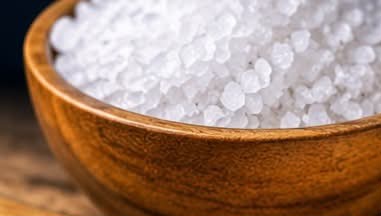
Why Do You Feel Cold All the Time? Understanding Thyroid Function and the Role of Iodine