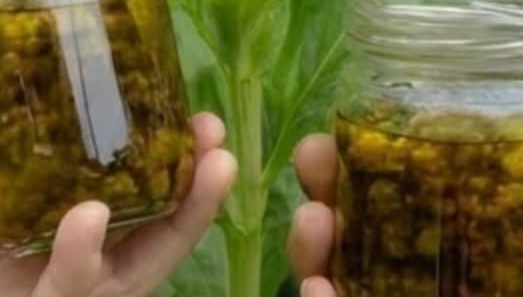
What This Herbal Preparation IncludesThe content shown features:fresh leafy herbsclusters of green pepper berriesmortar and pestle crushing processoil infusion in mason jarsThe combination creates a rustic herbal infusion commonly associated with traditional botanical preparations.Supplies You’ll NeedTable of ContentsBasic IngredientsToolsStep 1: Gather Fresh HerbsBasic Ingredientsfresh leafy herbsgreen pepper berriescarrier oil (olive oil is commonly used)glass mason jars with lidsToolsmortar and pestleknife or scissorsclean dry jarstrainer or cheeseclothStep-by-Step Herbal Oil InfusionStep 1: Gather Fresh HerbsSelect fresh herbs that:appear healthyare dry and cleanshow no mold or damageFresh green pepper berries are often added for their bold botanical aroma.Step 2: Crush the Herbs and BerriesUsing a mortar and pestle:lightly crush herbsgently break pepper berriesrelease natural plant oils and aromaCrushing helps expose more plant surface area for infusion.Step 3: Fill the Mason JarAdd crushed herbs and berries into a clean glass jar.Do not pack too tightly. Leave enough room for oil to circulate around the herbs.Step 4: Pour in Carrier OilSlowly pour oil into the jar until:herbs are fully submergedno plant material sticks above oil levelOlive oil is one of the most commonly used options for traditional infused oil preparations.Step 5: Seal and StoreClose the jar tightly and store it in:cool areadark cabinetdry place away from sunlightMany herbal oil infusions are traditionally left for:2 to 4 weeksStep 6: Shake OccasionallyEvery few days:gently shake jarredistribute herbshelp infusion processOver time, the oil often darkens and develops a stronger herbal scent.Step 7: Strain the OilAfter infusion:strain mixture through cheesecloth or fine mesh strainerremove all plant materialtransfer oil into clean glass containerYour herbal infused oil is now ready for storage.Traditional Uses of Herbal Infused OilsThroughout history, botanical oil infusions have commonly been used in:massage blendsherbal self-care ritualsaromatic preparationstopical oil blendsfolk wellness traditionsPractices vary widely depending on region and plant type.Important Safety NotesNot all wild plants are safe for topical or internal use.Before using any unfamiliar herb:confirm accurate plant identificationresearch traditional safety informationavoid using unknown wild plantsconsult a qualified herbal professional when neededSome herbs may:irritate skintrigger allergiesinteract with medicationsPregnant individuals, children, and people with medical conditions should use extra caution with herbal preparations.Why People Enjoy Homemade Herbal InfusionsMany people appreciate herbal oil projects because they:connect with traditional plant knowledgeencourage slower DIY routinesreduce reliance on synthetic fragrancescreate visually beautiful jars and preparationsThe process itself is often considered calming and creative.Storage TipsFor best quality:store in dark glass bottles if possiblekeep away from direct heatavoid moisture contaminationlabel jars with preparation dateDiscard immediately if:mold appearsodor becomes sourtexture changes unusuallyRustic Herbal Photography IdeasThis type of content works well with:close-up herb texturescrushed leaves in mortar and pestleoil pouring into jarsamber herbal infusionswooden table stylingbotanical flat laysnatural window lightingFinal ThoughtsTraditional herbal infused oil preparations continue to interest people who enjoy botanical DIY projects and old-style herbal routines. Combining fresh leafy herbs, green pepper berries, and oil infusion techniques creates a simple homemade preparation rooted in traditional plant practices.Whether used for display, aroma, or traditional self-care inspiration, these rustic herbal oil infusions remain popular among people interested in herbal lifestyles and natural preparation methods.
Wild Herb Infused Oil: Traditional Green Pepper Berry Herbal Preparation