
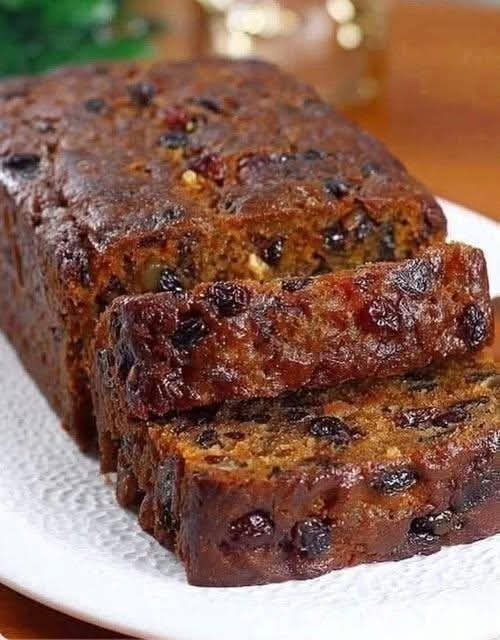
There is something deeply comforting about a slice of classic moist fruit and nut loaf. Studded with plump raisins, tart dried cranberries, chopped walnuts, and warm spices like cinnamon and nutmeg, this tender, old-fashioned quick bread is perfect with a cup of tea, a morning coffee, or a simple smear of butter. In this guide, you will learn how to make a bakery-quality fruit and nut loaf at home, along with tips for achieving that soft, moist crumb every single time.
Why a Fruit and Nut Loaf Is a Timeless Favorite
Fruit and nut loaves have been baked in home kitchens for generations. Unlike a delicate sponge cake, this type of quick bread relies on simple pantry staples and a straightforward mixing method. It requires no yeast, no kneading, and no long rising times, which makes it an ideal choice for beginners and busy bakers alike.
The appeal lies in its balance of textures and flavors. Soft, slightly sweet crumb meets chewy dried fruit and the satisfying crunch of toasted nuts. Warm spices add depth, while brown sugar contributes a gentle caramel note. Because the loaf keeps well for several days when wrapped properly, it is also an excellent make-ahead treat for gatherings, holiday gifts, or lunchbox snacks.
Another reason this recipe remains popular is its flexibility. You can swap dried fruits, change the type of nuts, or adjust the spice level to suit your taste. Whether you prefer a classic raisin-and-walnut combination or a brighter mix with cherries and cranberries, the basic method stays reliable.
Essential Ingredients for a Moist Fruit and Nut Loaf
Good results begin with a well-chosen ingredient list. Each component plays a specific role in building structure, flavor, and moisture.
The Dry Ingredients
Start with all-purpose flour, typically about two cups or 250 grams. Measuring by weight is the most accurate approach, since packed flour can throw off the balance of the batter. The leavening agents, baking powder and baking soda, help the loaf rise evenly without yeast. Salt is essential even in sweet baking, as it sharpens the flavors and keeps the spices from tasting flat. Ground cinnamon and nutmeg bring warmth and a traditional aroma that defines this style of loaf.
The Wet Ingredients and Binders
Softened butter, about half a cup, creams with brown sugar to create a light base. Brown sugar is preferred over white sugar because its molasses content adds moisture and a richer, more complex sweetness. Large eggs bind the batter and contribute to a tender structure, while a teaspoon of vanilla extract rounds out the flavor. Milk, roughly half a cup, hydrates the flour and ensures the crumb stays soft rather than dry.
Fruits and Nuts for Texture
The fruit and nut mixture is where personality comes in. A full cup of raisins offers classic chewiness, while half a cup of dried cranberries or chopped cherries adds a bright, tangy contrast. Chopped walnuts or pecans provide crunch and a toasty, buttery flavor. Many bakers also add a small handful of candied cherries or mixed dried fruit for color and extra sweetness. Toasting the nuts for five to seven minutes before chopping them intensifies their flavor noticeably.
Step-by-Step Method for Baking the Perfect Loaf
Following a clear sequence of steps helps ensure a consistent result. Below is an easy-to-follow method for a standard 9 by 5-inch loaf pan.
Preparing Your Oven and Pan
Preheat your oven to 175°C (350°F) so it reaches temperature before the batter goes in. Grease the loaf pan thoroughly and line it with parchment paper, leaving a slight overhang on the long sides. This makes it easy to lift the finished loaf out once it has cooled slightly. Proper preparation prevents sticking and protects the delicate edges of the bread.
Mixing the Batter Correctly
In a medium bowl, whisk together the flour, baking powder, baking soda, salt, cinnamon, and nutmeg. This distributes the leavening evenly and prevents bitter pockets of soda. In a separate large bowl, beat the softened butter and brown sugar until the mixture becomes light and creamy, which usually takes two to three minutes with an electric mixer. Add the eggs one at a time, beating well after each addition, then stir in the vanilla.
Next, add the dry ingredients and milk in alternating portions, beginning and ending with the flour mixture. This technique keeps the batter smooth and prevents overmixing. Stop mixing as soon as the flour disappears. Overworking the batter develops gluten, which can produce a tough, dense loaf rather than a soft one.
Gently fold in the raisins, cranberries or cherries, and nuts using a spatula. Tossing the fruit and nuts lightly in a spoonful of flour before folding them in can help prevent them from sinking to the bottom of the pan.
Baking and Testing for Doneness
Spread the batter even