
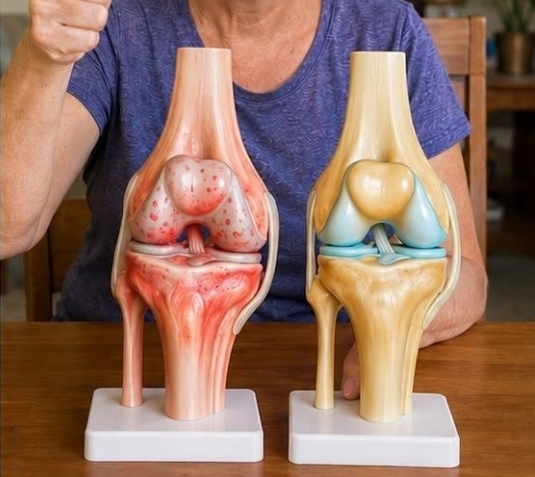
Knee discomfort is one of the most common complaints people bring up as they get older, and it often arrives quietly. Maybe it starts as a stiff feeling after sitting through a family dinner, or a dull ache when climbing stairs. Over time, those small signals can make everyday movement feel like a chore. The good news is that joint comfort is shaped by daily habits, and nutrition for knee cartilage is one area where thoughtful choices can make a real difference in how your knees feel and function. This guide explains how cartilage works, which lifestyle factors matter most, and which foods may support healthy joints, all without miracle promises.
Why Knee Cartilage Matters for Everyday Movement
Your knee is a hinge joint where the thigh bone meets the shin bone, and it relies on articular cartilage to keep motion smooth. This tissue covers the ends of the bones and acts as a cushion, absorbing shock with every step, squat, and turn. Unlike many tissues in the body, cartilage has no direct blood supply, so it repairs itself slowly and with limited capacity. That is one reason cartilage wear tends to be gradual and why prevention matters so much.
Cartilage is made largely of water, collagen, and proteoglycans, which help it hold moisture and resist compression. When the tissue is well nourished and regularly loaded in moderate amounts, it stays resilient. When it is under-nourished, dehydrated, or subjected to repeated strain without recovery, it can thin and become less flexible over the years. Understanding this basic biology helps set realistic expectations: supporting your knee cartilage is a long-term project built on consistent habits, not a single quick fix.
Common Habits That Quietly Strain Your Knees
Many people do not realize that their daily routines contribute to knee stiffness. Recognizing these patterns is often the first step toward better joint health.
Sitting for Long Periods Without Movement
Extended sitting reduces circulation to the joints and allows stiffness to build. Synovial fluid, the lubricating liquid inside the knee, is distributed more effectively when you move. Simply standing up every 30 to 45 minutes, walking around the room, or doing a few gentle leg extensions can help your knees stay more comfortable throughout the day.
Carrying Extra Body Weight
Every extra pound places additional load on the knee joint during walking and climbing. Even modest weight changes can reduce stress on cartilage over time. Focusing on balanced meals and regular activity is generally more sustainable than aggressive dieting.
Skipping Movement Altogether
Ironically, rest is not always the best answer for stiff knees. Low-impact movement such as walking, swimming, cycling, or water aerobics encourages nutrient flow into cartilage and keeps surrounding muscles strong. Strong quadriceps and hamstrings act as shock absorbers, taking pressure off the joint itself.
Nutrition That Supports Healthy Joints
While no single food can rebuild cartilage overnight, a well-rounded eating pattern provides the raw materials your body uses to maintain connective tissue. Think of nutrition as ongoing support rather than an instant solution.
Protein for Connective Tissue
Cartilage is built from proteins, so adequate protein intake matters. Good sources include eggs, fish, poultry, legumes, tofu, and low-fat dairy such as Greek yogurt. Spreading protein across breakfast, lunch, and dinner tends to work better than loading it all into one meal.
Omega-3 Fatty Acids for Inflammation Balance
Fatty fish like salmon, sardines, and mackerel provide omega-3 fats, which are studied for their role in managing inflammatory responses. Walnuts, flaxseed, and chia seeds are plant-based options. Including fish two to three times per week is a practical goal for many adults.
Colorful Fruits and Vegetables
Leafy greens, bell peppers, berries, citrus fruits, and tomatoes supply vitamin C, which is essential for collagen formation, along with antioxidants that help protect tissues from everyday oxidative stress. Aim to fill half your plate with vegetables at lunch and dinner whenever possible.
Calcium and Vitamin D for Bone Support
Strong bones give cartilage a stable foundation. Dairy products, fortified plant milks, leafy greens such as kale, and canned fish with soft bones provide calcium, while sensible sun exposure, fortified foods, and eggs contribute vitamin D. Your healthcare provider can advise whether a supplement is appropriate for you.
Hydration Matters More Than People Think
Because cartilage contains significant water, staying well hydrated supports its natural cushioning properties. Water is the simplest choice, and herbal teas and water-rich foods such as cucumbers and watermelon also count toward daily fluid intake.
Building a Simple Daily Routine for Knee Comfort
Lasting improvements usually come from combining several small habits rather than relying on one dramatic change. Consider a routine built around three pillars: movement, nourishment, and recovery.
Morning and Midday Movement
Start the day with five to ten minutes of gentle stretching, including hamstring stretches and mild knee bends within a comfortable range. During the day, take short walks, use stairs when practical, and stand up regularly during desk work. Consistency matters more than intensity.</