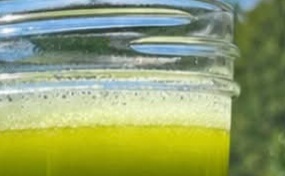
The Sugar BrakeHere’s the hidden mechanism: apple cider vinegar puts a brake on the speed at which food leaves your stomach. That means glucose doesn’t flood the bloodstream like water bursting through a cracked dam. It drips in slower, steadier, less chaotic.Think of your blood sugar like a highway at rush hour. Without the vinegar, too many cars pile in at once, horns blaring, brakes slamming, traffic turning ugly. With it, the flow narrows before the jam turns into a pileup.Garlic adds another layer. Its sulfur compounds act like tiny switch-flips inside metabolic pathways, pushing the body toward better handling of incoming fuel. Honey, despite being sweet, is not the villain here; in this blend it softens the burn and makes the tonic usable enough to repeat.But that’s not even the part that matters most. The real shift happens when the gut and liver stop getting blindsided by a sugar wave…Why the Crash Feels So BrutalPeople with high blood sugar know the pattern: eat, spike, slump, repeat. The face feels hot, the brain gets foggy, the hands feel dull, and an hour later the body starts begging for another hit of something sweet or starchy.That is not weakness. That is a system that keeps getting flooded and never gets a clean signal. The pancreas keeps shouting, insulin keeps rushing in, and the whole metabolic conversation turns into a shouting match.No patent drug empire was built around a clove of garlic from a backyard kitchen. That’s not because the biology is fake — it’s because the truth is cheap, common, and impossible to package into a glossy billboard.And once you understand that, the next piece gets even more interesting…The Cellular FlushGarlic is the hard-edged piece in this trio. Crush it, let it sit, and allicin forms — the compound that gives garlic its throat-burning punch and its metabolic muscle. That sulfur bite is the smell of chemistry waking up.Inside the body, those compounds behave like rust-stripping agents moving through a clogged engine. They help clear oxidative sludge, support circulation, and make the whole system less sticky. When blood moves better, tissues get a hotter river of fresh fuel instead of cold, sluggish drips.Honey plays the opposite role: it coats the harshness so the blend can actually be taken. Apple cider vinegar handles the acidic shove that changes digestion speed. Together, they work like three mechanics attacking the same broken gear from different angles.The first thing people notice is not magic. It is less heaviness after meals, less of that brick-in-the-belly feeling, and a cleaner edge to the afternoon. Then the pattern starts to show itself…Where the Relief Shows Up FirstFor the person whose sugar crashes hit like a trapdoor: this blend attacks the post-meal spike before it turns into the mid-afternoon collapse. The vinegar slows the flood, the garlic sharpens the metabolic response, and the honey keeps the mix from feeling like punishment. That sour-sweet smell alone tells you this is not candy — it’s a signal.After a few days of consistency, the body stops lurching so hard. Meals feel less like a gamble. The brain doesn’t go gray as fast. The chair at 3 p.m. stops feeling like a rescue raft.That is the difference between being dragged by your blood sugar and finally putting a hand on the wheel. But the second place this blend shows up is even more personal…Energy, Throat Comfort, and the Pain Nobody ConnectsFor the person running on fumes: unstable sugar is one of the fastest ways to make the body feel old before its time. One minute you’re awake, the next you’re staring through a screen like it’s underwater. When glucose surges and drops, the brain burns through its reserve and leaves you with that hollow, rattled fatigue.This blend steadies the terrain. Not by flooding you with stimulation, but by making the fuel arrive in a less violent wave. That is why the energy feels less like a caffeine jolt and more like the engine finally catching and staying on.For the throat that feels scraped raw: honey lays down a thick, glossy film that coats the back of the mouth and throat. The texture is the clue. It doesn’t just taste sweet — it clings, and that cling is exactly why it feels so different going down.The sour vinegar cuts through the syrup, the garlic brings the bite, and the throat gets something that feels alive instead of artificial. Then the final layer starts to matter…The Part That Makes People Keep Going BackWhat keeps this recipe alive is not just tradition. It is the way it turns three ordinary kitchen ingredients into a metabolic one-two-three: slow the spike, support circulation, and make the body feel less battered after eating.That is why people reach for it when they want a simple routine that attacks the same problem from multiple directions. Not a miracle. A pressure change. A body that is less inflamed, less frantic, less dragged around by its own meals.And once the sugar rollercoaster starts flattening, the whole day changes. The morning feels cleaner. The afternoon stops biting back. The body quits sounding like a machine full of gravel…P.S. The wrong move ruins the whole blend.Crushing the garlic and using it immediately is one of the fastest ways to blunt the punch. That’s a mistake you can smell: flat garlic, weak sting, no real bite. Let it rest after crushing so the active compounds actually form before they get drowned in vinegar and honey.And if the vinegar is dumped in without dilution or taken on an empty stomach, the throat and stomach feel the burn instantly — a sour slap, not a useful tonic.The next question is the one that decides whether this blend works as a helper or becomes a problem: when is the best time to take it so the sugar-lowering effect actually shows up?This article is for informational purposes only and does not replace professional medical advice. Please consult your healthcare provider for personalized guidance.
Garlic, Apple Cider Vinegar & Honey Hit High