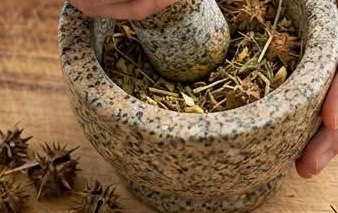
Some of the most powerful-looking herbs grow low to the ground and are easy to ignore until you step on their thorny seed pods.This plant is commonly known as Tribulus terrestris, often called puncture vine, goathead, or gokshura in traditional herbal systems. It has a long history of use in Ayurveda, Traditional Chinese Medicine, and other folk traditions, especially for urinary comfort, fluid balance, and general vitality. Modern reviews describe it as a plant rich in saponins, flavonoids, and other phytochemicals, which helps explain why it is still widely discussed in herbal wellness circles.What makes this remedy interesting is that people often hear about tribulus only in the context of performance or libido. But traditionally, it was also used much more broadly, including for urinary concerns and general internal balance. That older herbal perspective is often the more useful place to start. (PubMed)Table of ContentsWhat This Herb May Do Inside the BodySimple Preparation MethodIngredientsHow to PrepareWhen to Drink ItBest times to use itQuick relief timelineWhy It Works: Tradition and Science TogetherTraditional herbal perspectiveModern science perspectiveThe practical takeawayWho May Benefit MostSafety Notes and Who Should Avoid ItFinal TakeawayWhat This Herb May Do Inside the BodyIn traditional use, Tribulus terrestris has often been associated with support for the urinary tract, mild fluid retention, and general body comfort. Reviews of the herb note longstanding ethnobotanical use across China, India, Sudan, and Pakistan, and describe traditional applications that include urinary and reproductive wellness. (PubMed)Modern phytochemistry helps explain why the herb continues to attract attention. Tribulus contains steroidal saponins and flavonoids, along with other plant compounds studied for antioxidant, anti-inflammatory, and metabolic effects. That does not prove a homemade tea will create dramatic results, but it does give this traditional remedy more context than folklore alone. (ScienceDirect)A realistic view matters here. Tribulus is best thought of as a supportive herbal tea, not a cure for kidney stones, infection, sexual dysfunction, or hormone problems.Tribulus Tea for Urinary Comfort: A Traditional Herbal Remedy With a Spiky ReputationSimple Preparation MethodA traditional-style tribulus tea is usually made as a light decoction.Ingredients1 tablespoon dried tribulus aerial parts or fruiting herb2 cups waterHow to PrepareRinse the herb lightly if needed.Place it in a pot with the water and bring it to a gentle boil.Lower the heat and let it simmer for about 10 to 15 minutes.Turn off the heat, cover, and let it steep for another 5 minutes.Strain and drink warm.Because tribulus can taste earthy and slightly bitter, many people begin with a weaker brew first. Starting gently is usually the smarter approach with any traditional herb.When to Drink ItThis tea is often used in small amounts once daily rather than in large quantities.Best times to use itA small cup may fit best:In the morning as part of a simple herbal routineAfter meals if you prefer herbal teas later in the dayDuring short periods when you want gentle urinary or fluid-balance supportQuick relief timelineIf the tea suits you, some people may notice a mild sense of warmth, lightness, or easier hydration within the same day. Broader changes, if any, usually take days to a few weeks and depend heavily on the rest of your routine, including fluid intake, sleep, food quality, and medical care where needed.Why It Works: Tradition and Science TogetherThis is where tribulus becomes more interesting than its reputation suggests.Traditional herbal perspectiveIn traditional Chinese sources, tribulus fruit has been described for uses including headache, vertigo, skin discomfort, and some urinary-related functions. In Ayurvedic practice, forms of tribulus have long been used as a tonic and urinary support herb.Modern science perspectiveModern reviews describe tribulus as containing saponins and flavonoids, two major groups of compounds often linked to the herb’s biological activity. Researchers have explored tribulus for anti-inflammatory, antioxidant, anti-urolithic, and metabolic effects, but the evidence is mixed and depends a lot on which plant part and extract are used.The practical takeawayThat means a simple tea may have a place in a wellness routine, especially if you are interested in traditional urinary-support herbs. But it is not honest to promise that it will boost testosterone, dissolve stones, or fix chronic symptoms on its own. The research is more complicated than those claims suggest. (PMC)Who May Benefit MostTribulus tea may appeal most to people who:Enjoy traditional herbal remediesWant a gentle urinary comfort teaPrefer earthy, simple herbal preparationsAre looking for a short-term herbal ritual rather than a strong supplementIt may be especially attractive to those who want a more traditional, less commercial way to explore tribulus than capsules or performance blends.Safety Notes and Who Should Avoid ItThis part matters just as much as the preparation.The European Medicines Agency has stated that there is not enough toxicological data to fully assess the safety of tribulus plant parts in food supplements. Reviews also note that higher doses and prolonged intake can raise safety concerns, and there are case reports involving adverse effects with tribulus-containing products. (European Medicines Agency (EMA))Use caution or avoid this herb if you:Are pregnant or breastfeedingHave kidney, liver, or heart diseaseTake blood pressure, diabetes, or cholesterol medicationAre already using performance or hormone-related supplementsHave ongoing urinary pain, fever, blood in the urine, or severe symptomsA warm herbal tea can be supportive, but symptoms like burning urination, persistent pelvic pain, or suspected kidney stones need proper medical evaluation.Final TakeawayTribulus tea for urinary comfort is a traditional herbal remedy with a much broader history than most people realize. It has roots in old herbal systems, an interesting phytochemical profile, and a reputation for supporting fluid balance and general vitality.Used gently and realistically, it may be a useful addition to a simple wellness routine. The key is to treat it as supportive, not magical.
Tribulus Tea for Urinary Comfort: A Traditional Herbal Remedy With a Spiky Reputation