
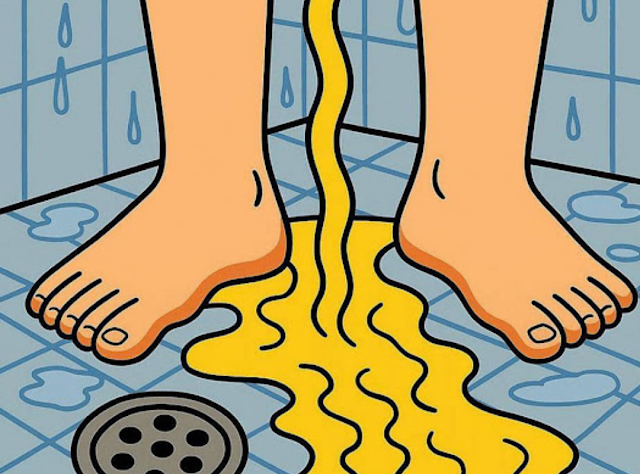
Understanding the Surprising Benefits and Risks of Showering with Urine
In the realm of everyday health and hygiene practices, one topic that often elicits a mix of curiosity and disgust is the idea of urinating in the shower. While many individuals might consider this practice to be unusual, it is more common than you may think. In this article, we will delve into the unexpected benefits and potential risks that come with this habit, separating fact from fiction. By the end, you will better understand whether this practice is a mere convenience or a habit that you should reconsider.
Why Do People Urinate in the Shower?
For a multitude of reasons, many people find themselves urinating in the shower. Understanding these motivations can provide insight into the broader implications of this habit. Here are three key reasons:
- Time-saving: For those with busy schedules, urinating in the shower can streamline morning routines. It allows individuals to start their day without making a quick detour to the toilet.
- Less toilet paper: This habit can significantly reduce the use of toilet paper. Particularly in households seeking to minimize waste, it offers a fresher alternative.
- Water efficiency: When urinating in the shower, individuals might flush the toilet less often, thereby conserving water. Given that urine is composed of approximately 95% water, it creates an environmentally friendly argument.
The Myth of Sterile Urine
A prevalent myth surrounding urine is the belief that it is completely sterile. This notion has been challenged by modern microbiology, which reveals that while healthy urine is typically low in harmful bacteria, it is not entirely free from it. Studies confirm that trace amounts of naturally occurring bacteria can be found in the urinary tract. Although this generally poses no immediate threat to the average healthy person, it’s crucial to consider these facts when examining hygiene practices.
What the Research Says
Research published in peer-reviewed journals has indicated that, although urine is often viewed as a sterile liquid, the reality is more complex. The presence of bacteria does not automatically translate to health concerns, as the bacteria are typically part of the body’s normal microbiome. However, awareness of the non-sterile nature of urine is important for maintaining proper hygiene.
Health Benefits of Urinating in the Shower
While urinating in the shower may raise eyebrows, there are some touted benefits associated with this practice. Here are several potential advantages:
1. Alleviating Foot Fungal Infections
One of the lesser-known benefits of urinating in the shower lies in its potential effectiveness against fungal infections, particularly athlete’s foot. The urea in urine may help combat foot fungi, contributing to improved foot health for those who regularly shower. However, this should not substitute for medical treatments or regularly maintaining foot hygiene.
2. Environmentally Friendly
As mentioned earlier, urinating in the shower reduces the frequency of flushing toilets, which aids in conserving water. This environmentally conscious choice might be appealing to individuals concerned about their ecological footprint. In a time when water conservation is critical, this practice could be seen as a small yet impactful contribution.
3. Convenience
From a convenience perspective, combining the act of showering with urination is undeniably practical. It saves you time and effort during morning routines and can help you avoid unnecessary interruptions.
Potential Risks of Urinating in the Shower
Despite the conveniences and certain benefits, it’s essential to address the potential risks and drawbacks of this habit. Here are some considerations:
1. Hygiene Concerns
Although urine is often thought to be relatively safe, there are hygiene considerations to keep in mind. The presence of bacteria, combined with remaining soap residue and the shower environment, may produce an unsanitary situation. It’s crucial to maintain clean surroundings and practice proper hygiene.
2. Impact on Behavior
For some, regularly urinating in the shower can foster poor bathroom habits. Individuals who do this may become less inclined to use the toilet when it is most appropriate. Maintaining a consistent bathroom routine is important for overall health.
3. Changes in Relationship with Bathroom Habits
Moreover, some people may begin to rationalize the use of the shower as an alternative restroom. This may lead to unhealthy patterns regarding bathroom usage and waste management. Creating a clear distinction between when and where to urinate can help maintain healthy habits.
How to Approach the Topic
If you’re considering whether to engage in this practice, it’s beneficial to approach the topic thoughtfully. Here are some tips for navigating urination in the shower:
- Prioritize hygiene: Make sure to keep your shower area as clean as possible. Rinse the treatment area adequately before and after urinating.
- Be mindful of your habits: Regularly evaluate your relationship with this behavior and practice healthy bathroom habits overall.
- Stay informed: Understanding the scientific aspects of urine and bacterial presence can guide you in making informed decisions.
Final Thoughts
Urinating in the shower may seem like an odd or taboo practice, but it is far more common than one might think. By exploring the surprising benefits and risks, you can make an informed decision about incorporating this habit into your routine. While there are undeniable conveniences, maintaining hygiene and healthy bathroom behaviors should always remain top priorities. Ultimately, the choice is yours—based on your values, experience, and hygiene preferences.