
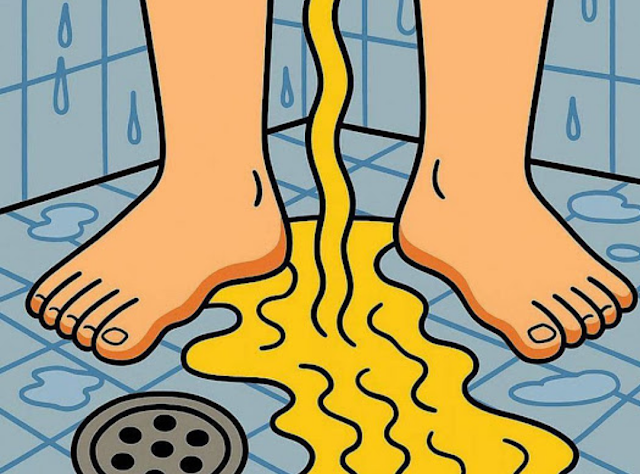
The Surprising Benefits and Risks of Relieving Yourself in the Shower
Have you ever considered the practice of relieving yourself in the shower? While this topic may seem trivial or even taboo, it raises intriguing questions about hygiene, convenience, and the assumptions we make about our bathroom habits. In this article, we will delve into the benefits and risks of this practice, clarify common myths, and help you understand whether it’s a habit you should reconsider. Let’s find out what science says and separate fact from fiction.
Understanding the Motivations: Why Do People Relieve Themselves in the Shower?
The motivations behind showering while relieving oneself can often be surprising. Many individuals cite convenience as a primary reason, but several other factors come into play:
- Time-Saving: For many, morning routines are hectic. Jumping in the shower and multitasking can streamline both personal hygiene and bathroom needs.
- Less Toilet Paper Use: This practice can significantly reduce the reliance on toilet paper, benefiting both the environment and household budgets.
- Water Efficiency: Some believe that showering to relieve oneself can cut down on the number of toilet flushes, which contributes to water conservation efforts.
Dispelling the “Sterile Urine” Myth
One of the most pervasive myths surrounding this topic is that urine is completely sterile. While it is true that urine is primarily composed of water (about 95%), categorizing it as sterile is misleading. Modern research in microbiology has shown that:
- Healthy urine may contain trace amounts of naturally occurring bacteria from the urinary tract.
- Although the presence of these bacteria does not generally pose a health risk for most individuals, understanding this aspect is crucial for comprehensive hygiene practices.
Potential Benefits of Relieving Yourself in the Shower
While the practice is often viewed through a lens of hygiene concerns, there are several potential benefits to consider:
1. Saves Time
In our fast-paced lives, time is a premium commodity. By combining tasks, such as showering and relieving yourself, individuals can save valuable minutes during their morning routines.
2. Environmental Benefits
As mentioned previously, using the shower to relieve oneself can lead to less water usage overall. Fewer toilet flushes mean less water consumption, which is particularly relevant amidst global discussions on water sustainability.
3. Psychological Factors
Some individuals find a certain level of comfort in the warmth of the shower, viewing it as a private space where personal habits can be performed without interruptions. This psychological comfort can enhance relaxation and reduce stress.
Hygiene Considerations: Understanding the Risks
Despite the perceived benefits, there are undeniable hygiene risks associated with relieving oneself in the shower. Understanding these risks can help individuals make informed decisions:
1. Bacterial Transference
Though urine itself is not harmful for many, the presence of bacteria can lead to concerns over hygiene. When you mix urine with shower water, there is the potential for bacteria to be transferred to the skin or to the shower surfaces, leading to possible infections, particularly for individuals with existing health vulnerabilities.
2. Odor Issues
Urine, especially when it decomposes, can develop an unpleasant odor. While the warm, soapy water in the shower may mask this scent temporarily, over time, the residual odors can linger, affecting the overall cleanliness of your shower space.
3. Social Stigma
Aside from physical hygiene, there is a social aspect to consider. Many individuals may feel uncomfortable knowing that others view this practice as unacceptable. This perception can create a barrier for those who might otherwise consider the practice.
Shower Hygiene: Best Practices for a Clean Space
For those who decide to relieve themselves in the shower, maintaining excellent hygiene becomes paramount. Here are some essential practices to keep your shower space clean:
- Frequent Cleaning: Regularly scrub down shower walls and floors to eliminate bacteria buildup.
- Use of Antibacterial Products: Consider using antibacterial soaps to wash both yourself and the surfaces in the shower.
- Proper Drainage: Ensure that your shower drain is functioning properly to prevent any stagnant water accumulation, which is a breeding ground for bacteria.
Making a Decision: Is It Right for You?
Ultimately, deciding whether to relieve yourself in the shower is a personal choice. It entails weighing the benefits and risks based on personal values, hygiene practices, and lifestyle choices. Considerations may include:
- Your own comfort level with the practice.
- Hygiene habits and ability to maintain cleanliness.
- Social opinions and potential stigma related to the behavior.
Conclusion
Relieving yourself in the shower is a practice steeped in convenience and practical benefits. However, it comes with its share of hygiene risks that must be acknowledged and managed. By understanding both the benefits and potential downsides, you empower yourself to make an informed decision that reflects your unique circumstances and values. As with any personal hygiene practice, maintaining awareness and adapting your habits to ensure cleanliness is key. Whether this is a practice you’re willing to adopt or not, knowledge is invaluable in navigating everyday routines.